

Which supply chain resilience strategies reduce sourcing risk
Supply chain resilience strategies reduce sourcing risk most effectively when they move beyond simple multi-sourcing and into technical qualification, supplier visibility, inventory segmentation, and contingency-ready engineering. For buyers and technical teams in semiconductors, sensing, packaging, industrial electronics, and related infrastructure, the real question is not whether resilience matters, but which actions materially lower disruption risk without inflating cost or slowing innovation. The strongest approach usually combines qualified alternate suppliers, part-level risk mapping, design-for-substitution, regional capacity balancing, and disciplined supplier performance control.
In sectors such as SiC and GaN power devices, MEMS sensors, IC packaging and testing, electronic chemicals, and clean manufacturing environments, sourcing risk is rarely just a commercial issue. It often includes yield instability, thermal performance drift, qualification delays, packaging incompatibility, logistics exposure, compliance gaps, and hidden single points of failure. This article explains which resilience strategies work best, how to prioritize them, and how decision-makers can apply them in real sourcing programs.
Which supply chain resilience strategies have the biggest impact on sourcing risk?
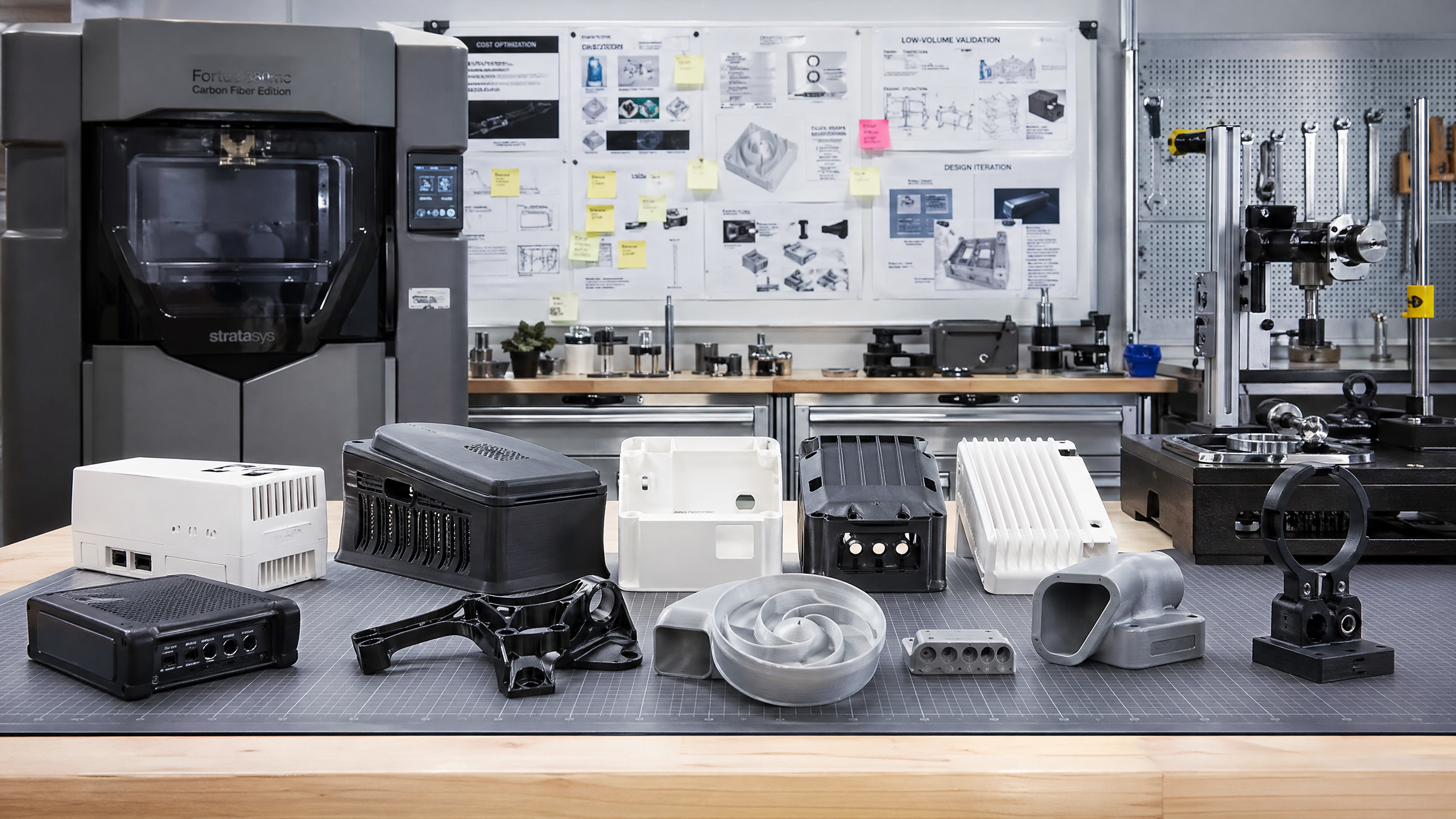
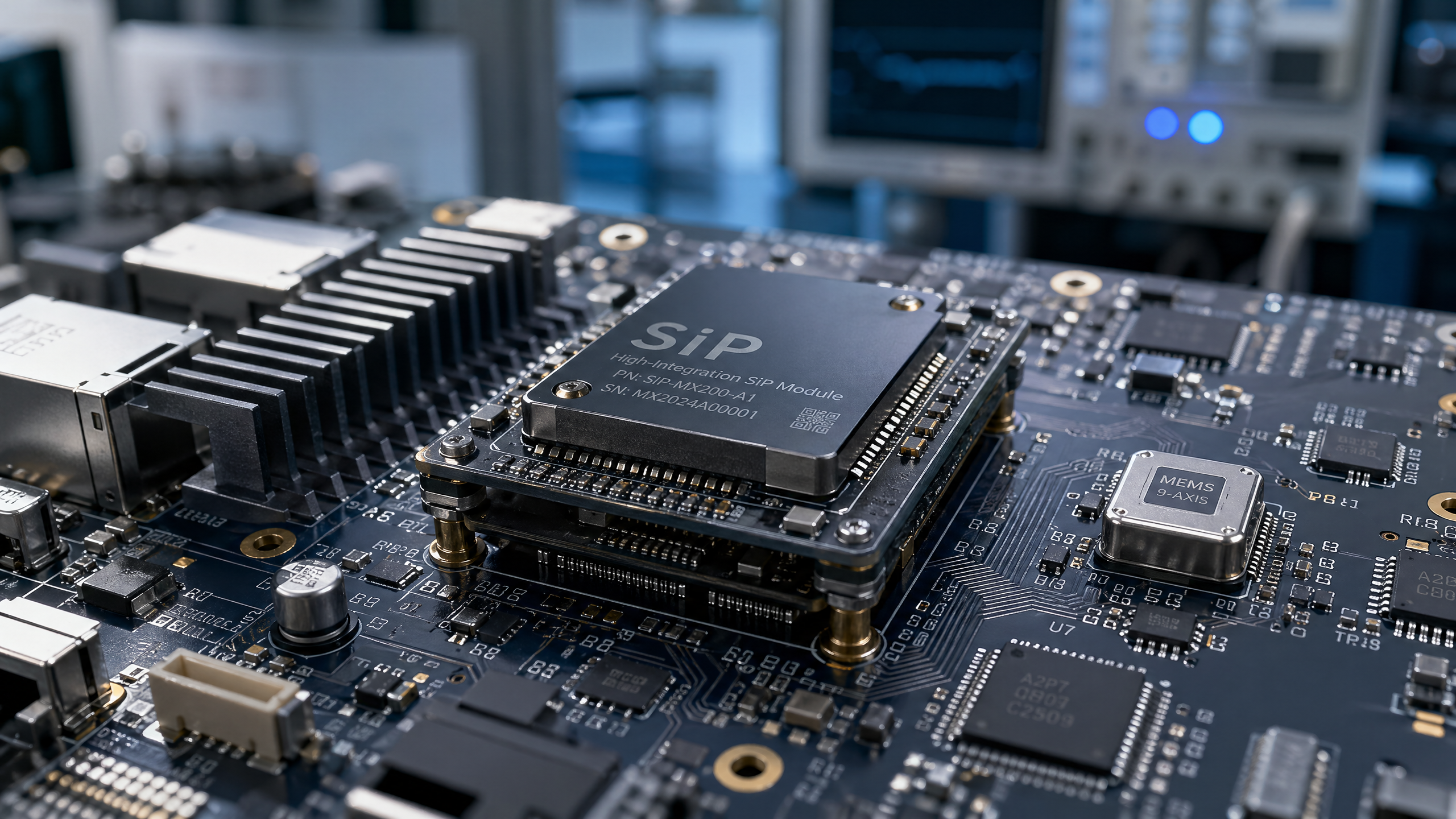
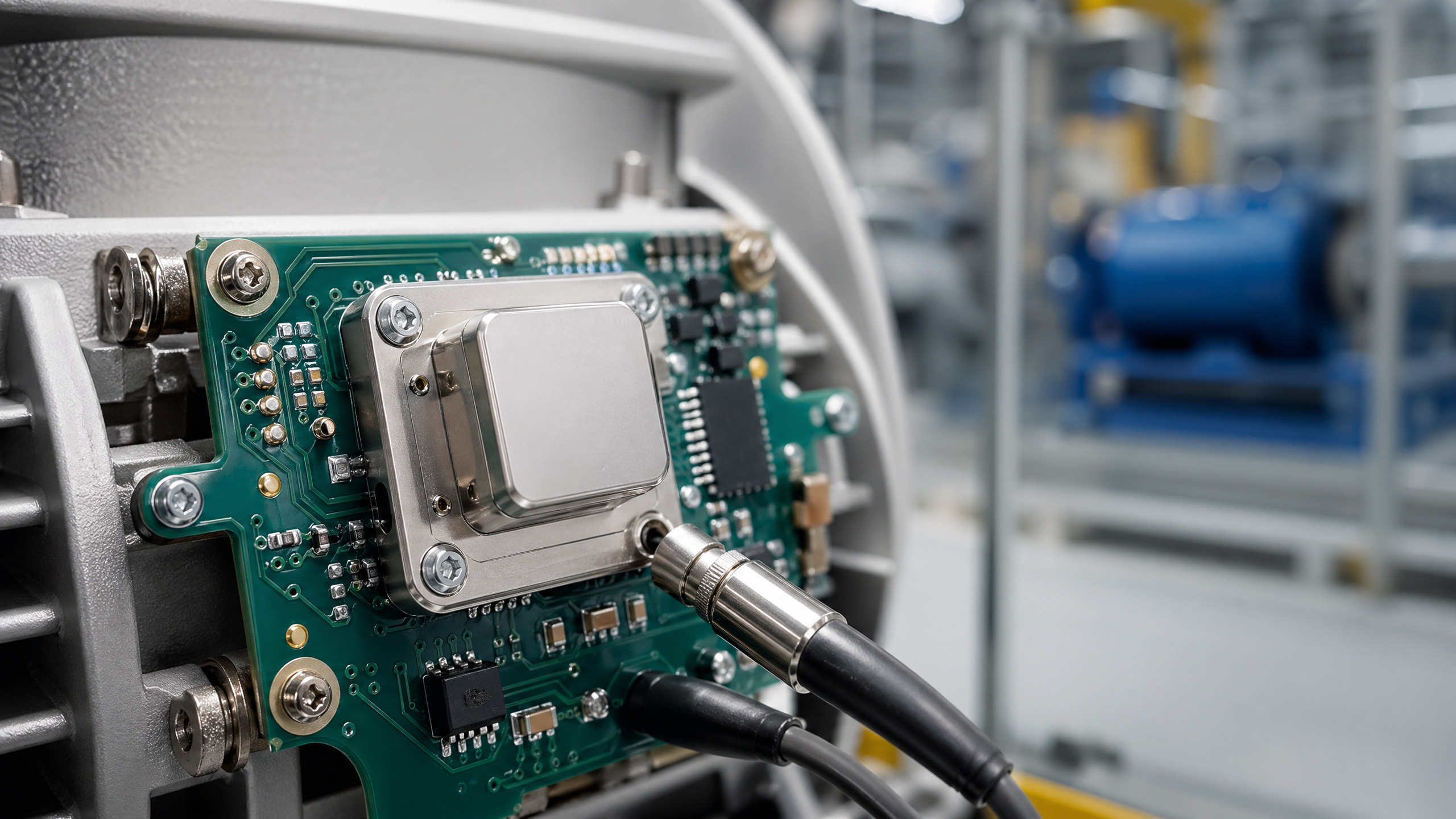
[[IMG:img_01]]The most effective supply chain resilience strategies are the ones that directly reduce dependency, shorten recovery time, and preserve technical performance when disruption occurs. In practice, the highest-impact strategies are:
- Dual or multi-sourcing with real qualification, not just a name on a supplier list
- Part-level criticality and risk segmentation to focus resources on high-impact items
- Design-for-substitution so components can be replaced without major redesign
- Supplier technical benchmarking across quality, yield, thermal, and reliability metrics
- Regional diversification of supply and capacity to reduce geopolitical and logistics exposure
- Strategic inventory and buffer policies based on volatility and lead-time risk
- Deep supplier visibility into tier-2 and tier-3 dependencies
- Clear recovery and escalation plans for shortages, quality incidents, and line-down scenarios
For technical industries, resilience is strongest when procurement, engineering, quality, and operations work from the same supplier-risk framework. A cheaper source is not lower risk if it causes qualification resets, unstable field performance, or production downtime.
Why standard sourcing tactics often fail in semiconductor and Industrial IoT supply chains
Many organizations still rely on broad tactics such as “add a backup supplier” or “increase safety stock.” These can help, but they often fail because high-tech sourcing risk is more complex than generic supply disruption.
In semiconductor and sensory-infrastructure ecosystems, risk typically appears in five forms:
- Technical risk: alternate components may differ in switching behavior, thermal resistance, package dimensions, signal fidelity, contamination sensitivity, or lifecycle reliability.
- Qualification risk: a second source may exist commercially but still require validation for AEC-Q100, industrial-grade reliability, cleanroom compatibility, or customer-specific approval.
- Capacity risk: a supplier may perform well in normal demand conditions but fail to support ramp-up volumes.
- Concentration risk: multiple suppliers may still rely on the same fab, substrate provider, gas source, OSAT, or logistics corridor.
- Change-control risk: unmanaged process changes can affect yield, thermal performance, or long-term stability.
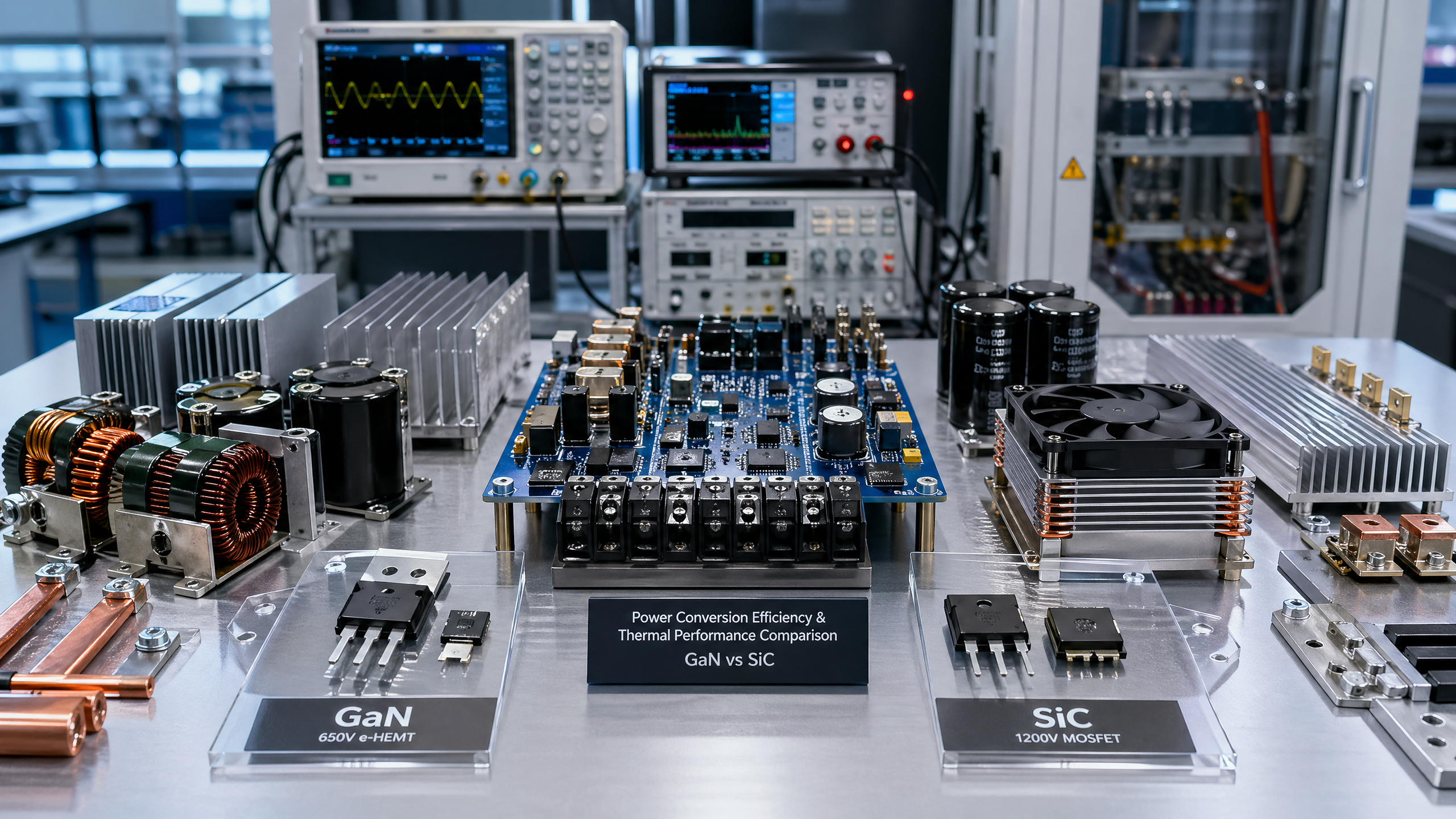
That is why resilience strategies must be linked to product architecture and validation requirements. In GaN vs SiC selection, for example, the sourcing decision is also a reliability, packaging, and thermal management decision. In MEMS or smart sensor programs, data fidelity and calibration stability may matter more than nominal lead time.
How should buyers and technical teams prioritize sourcing risk reduction?
The best starting point is not to treat all sourced items equally. Teams should classify components, materials, and process services according to business impact and replacement difficulty.
A practical prioritization model includes four dimensions:
- Revenue or operational criticality: Will a shortage stop production, delay customer delivery, or block system certification?
- Technical replaceability: Can another source be used without redesign, retesting, or performance loss?
- Supply market concentration: Are there many credible sources, or only a few globally qualified ones?
- Lead-time and recovery complexity: How long would it take to restore supply after a disruption?
Using this framework, organizations can split sourcing categories into distinct treatment groups:
- Strategic high-risk items: SiC wafers, advanced packaging substrates, specialty gases, qualified test services, precision sensors
- High-volume operational items: connectors, standard passives, common housings, selected tooling inputs
- Special process dependencies: 2.5D packaging, 3D chiplet integration, wafer probing, burn-in, contamination-sensitive chemicals
- Rapid development inputs: prototype fabrication, 3D printing services, short-run PCB or package iteration support
This allows decision-makers to spend resilience budget where it matters most. Not every item needs dual inventory or dual-source qualification. But every single-point-of-failure item should be visible.
What does effective dual sourcing actually look like?
Dual sourcing reduces sourcing risk only when both sources are genuinely usable under real production conditions. Many companies overestimate resilience because they have a nominal second supplier that has not passed full technical, quality, or logistical qualification.
Effective dual sourcing usually requires:
- Equivalent technical specifications beyond headline datasheet values
- Package and assembly compatibility for footprint, thermal path, interconnect reliability, and process windows
- Performance comparison under application conditions such as switching frequency, power cycling, vibration, contamination load, or sensing drift
- Matched quality systems including traceability, SPC discipline, corrective action responsiveness, and change notification process
- Validated capacity commitments with defined ramp scenarios
For example, an alternate SiC MOSFET supplier may appear interchangeable on voltage and current ratings, but differ materially in gate behavior, thermal resistance, switching loss, or avalanche robustness. An alternate MEMS sensor may match interface requirements but create problems in calibration stability or environmental sensitivity. Real resilience comes from qualification depth, not supplier count alone.
How does technical benchmarking lower sourcing risk?
Technical benchmarking is one of the most undervalued supply chain resilience strategies. It helps sourcing teams avoid choosing suppliers based solely on cost, lead time, or broad reputation. Instead, it creates a structured basis for comparing performance consistency and substitution feasibility.
For high-value technical categories, benchmarking should include:
- Electrical and functional performance
- Thermal behavior and dissipation efficiency
- Reliability under stress
- Package integrity and interconnect robustness
- Process stability and lot-to-lot variation
- Contamination control and purity compliance
- Test coverage and failure analysis maturity
This matters especially in areas such as advanced IC packaging and testing, power semiconductors, high-purity electronic chemicals, and fabrication environment control. A supplier with acceptable pricing but unstable process windows can create hidden sourcing risk through scrap, field failures, and qualification bottlenecks.
Benchmarking also supports negotiation. When buyers understand thermal margins, yield sensitivity, and process capability differences, they can negotiate from a position of technical clarity rather than pure commercial pressure.
Which resilience strategies work best for single-source or hard-to-replace components?
Some categories cannot be meaningfully dual-sourced in the short term. This is common for custom ASICs, specialized sensor modules, high-purity process inputs, advanced package architectures, or tightly qualified automotive and industrial components.
In these situations, the best risk-reduction strategies are different:
- Secure long-term capacity agreements with explicit allocation terms
- Increase visibility into tier-2 and tier-3 dependencies such as wafer fabs, substrate makers, gas suppliers, or test houses
- Hold strategic buffer stock at the right stage: die, packaged units, chemicals, or finished goods
- Freeze change-control parameters and require early notice for process or material changes
- Develop migration paths for future redesign if disruption becomes prolonged
- Audit business continuity and disaster recovery readiness of critical suppliers
For enterprise decision-makers, this is often where resilience investment delivers the highest return. A well-managed single-source strategy is usually safer than an unqualified dual-source strategy.
How inventory strategy should change for resilient sourcing
Inventory is a resilience tool, but only when used selectively. Excess stock across the board ties up working capital and can increase obsolescence risk, especially in fast-evolving electronics markets. The better approach is segmented inventory planning.
High-risk items may justify:
- Safety stock based on true lead-time volatility
- Strategic reserves for long-qualification materials
- Prebuilt subassemblies when final demand is uncertain but core bottlenecks are known
- Vendor-managed or hub-based inventory where supply continuity matters more than ownership timing
Low-risk standard items usually do not need the same level of protection. The key is to align stock policy with technical substitution difficulty and service-level impact. In semiconductor-linked sectors, the ideal stock point may not be the finished product. It may be bare die, leadframes, package substrates, specialty gases, or validated process consumables.
How to reduce supplier risk before disruption happens
The most effective sourcing organizations do not wait for a shortage to reveal weakness. They monitor leading indicators that predict future disruption.
Useful supplier risk signals include:
- On-time delivery trend deterioration
- Yield instability or rising defect escape rates
- Frequent engineering change notices
- Capacity utilization reaching stress levels
- Heavy dependence on one facility or region
- Financial stress or ownership changes
- Weak responsiveness to corrective actions
- Regulatory or compliance deviations
For quality managers and procurement leaders, resilience improves when supplier management moves from periodic review to active surveillance. Quarterly business reviews should include operational resilience metrics, not just commercial performance. Engineering and quality teams should also participate, especially where part performance and process discipline directly affect sourcing stability.
What role does design-for-substitution play in long-term resilience?
Design-for-substitution is one of the smartest ways to reduce future sourcing risk, especially for new product development. It means engineering products so alternate parts, materials, or service pathways can be adopted with minimal redesign.
This may include:
- Using package footprints that support multiple suppliers
- Avoiding over-customization when standard industrial options are viable
- Building thermal margins that tolerate part variation
- Creating software abstraction for sensor interchangeability
- Qualifying more than one packaging, testing, or prototyping route
In Industrial IoT and intelligent infrastructure products, this approach is especially important because systems often combine semiconductors, sensors, packaging services, thermal materials, and precision manufacturing inputs. If the product is architected around one narrow supply assumption, sourcing risk remains high no matter how strong procurement performs later.
How should executives evaluate resilience investments?
For business leaders, the right question is not “How do we eliminate all supply chain risk?” It is “Which resilience actions reduce the most expensive disruptions at acceptable cost?”
Executives should evaluate resilience using business-centered metrics such as:
- Revenue at risk from component disruption
- Time-to-recover for critical parts and process steps
- Cost of line stoppage or missed delivery
- Qualification cycle time for alternate sources
- Supplier concentration by region, process, or material
- Margin impact of emergency buys and expedited logistics
These metrics help justify investments in second-source qualification, supplier audits, regional diversification, test capability expansion, or strategic stock. In most technical industries, the cost of resilience is lower than the cost of an unplanned shutdown, delayed launch, or field-quality event.
Practical framework: the best sourcing risk reduction plan for most organizations
If your team needs a practical roadmap, a balanced supply chain resilience plan usually follows this sequence:
- Map critical components, materials, and process services
- Identify single points of failure across tier-1, tier-2, and key process dependencies
- Benchmark current and alternate suppliers on technical and quality criteria
- Prioritize high-impact items for dual qualification or strategic protection
- Set inventory and capacity policies by risk segment
- Establish monitoring indicators and escalation triggers
- Integrate design-for-substitution into new product development
- Review resilience performance regularly at executive level
This approach is relevant across all industries, but it is especially valuable where reliability, thermal performance, contamination control, package integrity, and data fidelity define product success.
Conclusion: the resilience strategies that really reduce sourcing risk
The supply chain resilience strategies that reduce sourcing risk most effectively are those that combine sourcing flexibility with technical certainty. Multi-sourcing helps, but only when alternates are fully qualified. Inventory helps, but only when it is targeted. Supplier diversification helps, but only when hidden upstream concentration is understood. And the strongest long-term protection often begins in engineering through design-for-substitution and disciplined technical benchmarking.
For organizations sourcing semiconductors, sensors, advanced packaging, test capability, thermal management solutions, electronic chemicals, or fabrication environment controls, resilient sourcing should be treated as a cross-functional capability. Procurement, engineering, quality, and leadership need one shared view of criticality, qualification risk, and recovery options. That is what turns resilience from a buzzword into a measurable reduction in sourcing risk.
- Power Semiconductors
- SiC MOSFET
- Advanced IC Packaging
- 3D Chiplet
- MEMS Sensors
- Electronic Chemicals
- Thermal Management
- Data Fidelity
- Industrial IoT
- Supply Chain Resilience
- Environment Control
- 2.5D Packaging
- GaN power devices
- Supply Chain Resilience strategies
- GaN vs SiC
- Thermal Management solutions
- 3D Chiplet Integration
- Specialty Gases
Get weekly intelligence in your inbox.
No noise. No sponsored content. Pure intelligence.
 Apr 28, 2026When do rapid prototyping 3D printing services save real costWhen do rapid prototyping 3D printing services save real cost
 Apr 28, 2026What Can Go Wrong in Fan-out Wafer Level Pkg?What Can Go Wrong in Fan-out Wafer Level Pkg?
 Apr 28, 2026What Makes Optical LiDAR Modules Better for Autonomy?What Makes Optical LiDAR Modules Better for Autonomy?
 Apr 28, 20262026 Market Trends in Supply Chain Resilience for Fabs2026 Market Trends in Supply Chain Resilience for Fabs
![]() Apr 28, 2026How to choose thermal management solutions without overdesignHow to choose thermal management solutions without overdesign
Apr 28, 2026How to choose thermal management solutions without overdesignHow to choose thermal management solutions without overdesign![]() Apr 28, 2026What makes Industrial IoT solutions worth deploying in 2026What makes Industrial IoT solutions worth deploying in 2026
Apr 28, 2026What makes Industrial IoT solutions worth deploying in 2026What makes Industrial IoT solutions worth deploying in 2026 Apr 28, 2026GaN vs SiC: which fits high-efficiency power design betterGaN vs SiC: which fits high-efficiency power design better
![]() Apr 28, 2026How to compare Industrial IoT platform options before rolloutHow to compare Industrial IoT platform options before rollout
Apr 28, 2026How to compare Industrial IoT platform options before rolloutHow to compare Industrial IoT platform options before rollout Apr 28, 2026What to check before sourcing GaN power devices at scaleWhat to check before sourcing GaN power devices at scale
 Apr 28, 2026How to improve power conversion efficiency without redesignHow to improve power conversion efficiency without redesign
![]() Apr 28, 2026Which supply chain resilience strategies reduce sourcing riskWhich supply chain resilience strategies reduce sourcing risk
Apr 28, 2026Which supply chain resilience strategies reduce sourcing riskWhich supply chain resilience strategies reduce sourcing risk Apr 28, 2026How to evaluate IC testing equipment for yield and reliabilityHow to evaluate IC testing equipment for yield and reliability
 Apr 28, 20262.5D packaging technology: when is it worth the added cost2.5D packaging technology: when is it worth the added cost
 Apr 28, 2026How to Choose 1200V+ SiC MOSFETs for Fast SwitchingHow to Choose 1200V+ SiC MOSFETs for Fast Switching
 Apr 28, 2026SiC MOSFET vs IGBT: Which Cuts Power Loss Better?SiC MOSFET vs IGBT: Which Cuts Power Loss Better?
 Apr 28, 2026What to Check Before Buying GaN Power ModulesWhat to Check Before Buying GaN Power Modules
 Apr 28, 2026Are GaN Power Modules Worth the Higher Upfront Cost?Are GaN Power Modules Worth the Higher Upfront Cost?
 Apr 28, 2026When Do High-Power IGBT Stacks Still Make Sense?When Do High-Power IGBT Stacks Still Make Sense?
 Apr 28, 20262.5D Packaging or 3D Chiplets: Which Fits Better?2.5D Packaging or 3D Chiplets: Which Fits Better?
 Apr 28, 2026What Drives Cost in 2.5D Chiplet Solutions?What Drives Cost in 2.5D Chiplet Solutions?
 Apr 28, 2026How to Evaluate SiP for Compact Autonomous SystemsHow to Evaluate SiP for Compact Autonomous Systems
 Apr 28, 2026SiP vs Discrete Design: What Are You Trading Off?SiP vs Discrete Design: What Are You Trading Off?
 Apr 28, 2026Why Fan-out Wafer Level Packaging Gains in 2026Why Fan-out Wafer Level Packaging Gains in 2026
 Apr 28, 2026How MEMS Sensors Improve Industrial IoT Data FidelityHow MEMS Sensors Improve Industrial IoT Data Fidelity
 Apr 28, 2026Choosing Industrial MEMS Accelerometers for Harsh UseChoosing Industrial MEMS Accelerometers for Harsh Use
 Apr 28, 2026Which Gas Sensors Work Best for Environment Control?Which Gas Sensors Work Best for Environment Control?
 Apr 28, 2026How to Compare High-Precision Gas Sensor StabilityHow to Compare High-Precision Gas Sensor Stability