

How to choose thermal management solutions without overdesign
Choosing thermal management solutions should balance reliability, cost, and power conversion efficiency without defaulting to oversized designs. For teams evaluating GaN power devices, GaN vs SiC tradeoffs, 2.5D packaging technology, IC testing equipment, or Industrial IoT solutions, the right approach starts with real operating data, risk priorities, and lifecycle goals. This guide helps technical and business stakeholders avoid overdesign while improving performance, validation speed, and supply chain resilience strategies.
Why overdesign happens and what it really costs
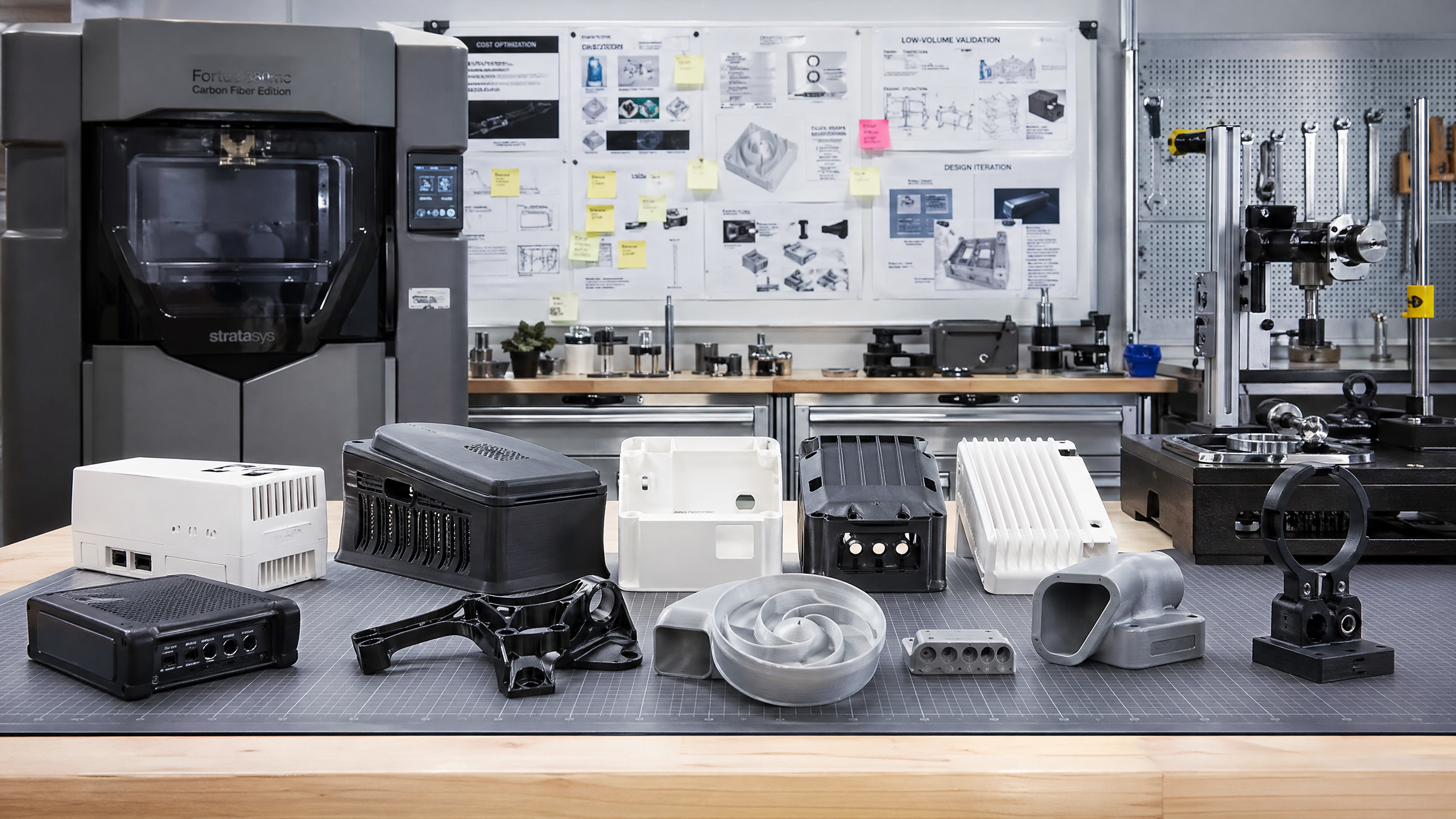
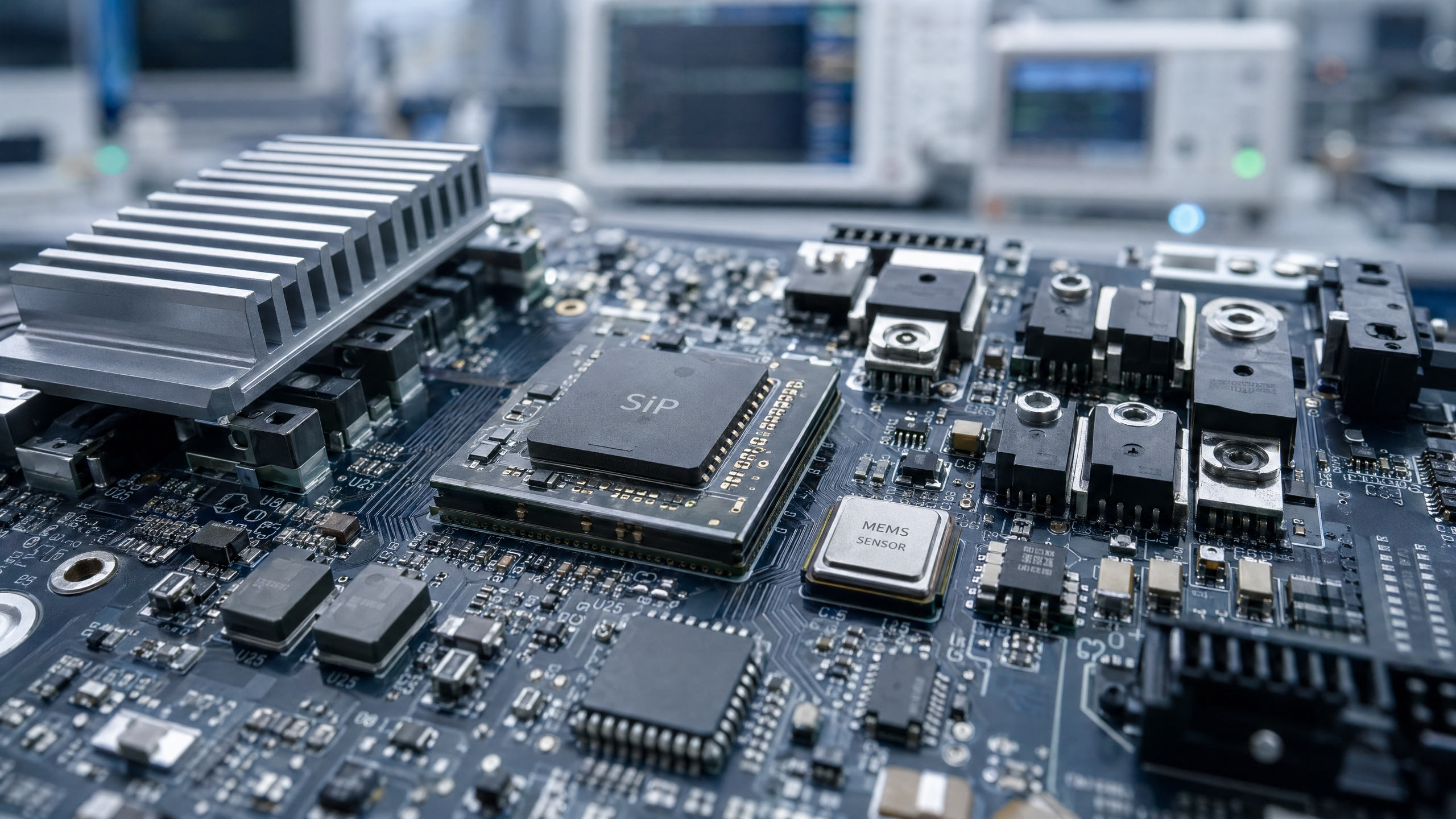
[[IMG:img_01]]In thermal management, overdesign usually starts with uncertainty. A project team may not yet know the real heat load, duty cycle, enclosure conditions, transient peaks, or service environment, so it adds larger heat sinks, stronger fans, wider safety margins, or more expensive interface materials. That can look prudent in the first 2–4 weeks of evaluation, but it often creates avoidable penalties in size, bill of materials, noise, airflow complexity, and validation time.
This pattern is common across industries because thermal design now affects far more than device temperature. In power electronics, thermal choices influence switching efficiency and derating. In advanced packaging, they affect mechanical stress and signal integrity. In Industrial IoT infrastructure, they shape uptime, maintenance intervals, and enclosure reliability. For procurement and business reviewers, overdesign can also distort supplier comparisons because a larger solution may hide weak modeling rather than deliver better lifecycle value.
A practical starting point is to separate normal operation from worst-case operation. Many systems do not run at peak load 24/7. Some operate at 40%–70% average load, with short thermal spikes lasting seconds or minutes rather than hours. If the thermal management solution is sized only for a theoretical maximum without validating actual time-at-temperature behavior, the result may be heavier and more expensive than necessary.
G-SSI approaches this problem through cross-domain benchmarking. Because thermal performance in semiconductors, smart sensors, packaging, testing, and fabrication environments is interconnected, the most reliable selection method combines device behavior, assembly constraints, validation requirements, and supply chain risk into one decision framework. That is especially useful for CTOs, IC design leaders, project managers, and sourcing teams working across multiple vendors and compliance targets.
Typical business and engineering consequences of overdesign
The cost of thermal overdesign is rarely limited to component price. Larger cooling assemblies may require bigger enclosures, stronger mounts, added fan power, or more complex maintenance access. In a 3-stage validation program, those changes can delay mechanical signoff, EMC verification, and production release. For distributors and system integrators, that also reduces flexibility when adapting the same platform to small-batch, medium-volume, and larger deployment scenarios.
- Higher material and logistics cost due to oversized heatsinks, fans, cold plates, or redundant thermal interface materials.
- Longer qualification cycles because the design must be verified for vibration, airflow, serviceability, and sometimes contamination control.
- Reduced system efficiency when fan power, pressure drop, or thermal path complexity offsets electrical performance gains.
- Supply chain concentration risk when the solution depends on a narrow set of specialty materials or custom mechanical parts.
How to define the right thermal management requirement before choosing a solution
A right-sized thermal management solution begins with a disciplined requirement set, not a component catalog. Before comparing air cooling, heat pipes, vapor chambers, liquid cooling, or advanced interface materials, teams should define at least 5 core variables: steady-state heat load, transient peak profile, allowable junction or case temperature, ambient operating range, and expected service life. For many industrial and semiconductor applications, an ambient range of 25°C–55°C and a validation target of continuous operation over 8–24 hours are common planning baselines, but the real requirement must come from the use case.
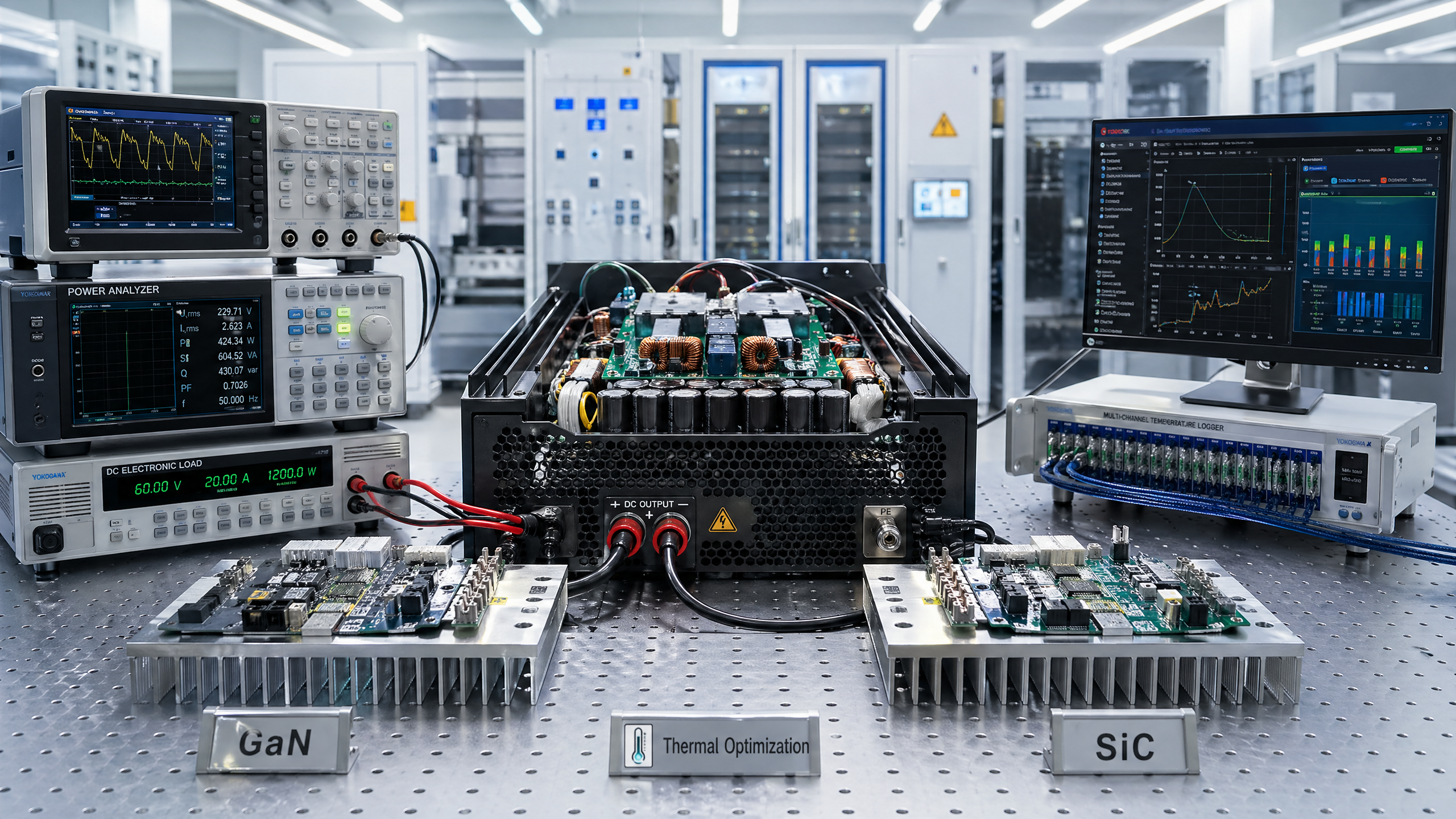
This is where many selections go wrong. Teams often use nameplate power instead of measured dissipation, or they model a single hot component without accounting for enclosure recirculation, sensor drift, connector heating, or neighboring power stages. In GaN and SiC systems, switching frequency, layout parasitics, and package thermal resistance can shift the real thermal map significantly. In 2.5D or 3D packaging, local hotspots may matter more than average board temperature.
G-SSI recommends building the requirement in 3 layers: device level, assembly level, and operating environment level. Device level covers junction limits, package behavior, and thermal impedance. Assembly level addresses TIM selection, board stack-up, spreader geometry, and airflow path. Environment level includes dust, vibration, altitude, moisture, chemical exposure, and maintenance access. This structure helps technical evaluators and purchasing teams avoid comparing incomplete supplier proposals.
The next table summarizes a practical pre-selection checklist for organizations that need a thermal management solution without unnecessary cost or complexity.
The checklist shows a key principle: thermal management is not only about removing heat. It is about removing the right amount of heat, under the right conditions, with acceptable cost, qualification effort, and service burden. When this definition phase is completed well, the selection shortlist becomes clearer and negotiation with suppliers becomes faster.
A 4-step requirement workflow for technical and procurement teams
- Capture operating data over representative cycles, including startup, nominal load, overload, and idle periods.
- Set temperature limits by function, such as semiconductor junction, sensor stability zone, housing touch temperature, and cabinet air temperature.
- Map the thermal path from die to ambient, then identify the top 2–3 bottlenecks rather than upgrading every layer at once.
- Validate with prototype testing under both nominal and stressed conditions before scaling to medium or high volumes.
Where G-SSI adds value in this stage
Because G-SSI benchmarks semiconductors, packaging, testing, sensor infrastructure, specialty gases, and fabrication environment control against standards such as SEMI, AEC-Q100, and ISO/IEC 17025, it helps teams avoid a narrow component-only view. Thermal selection for a SiC module, a MEMS sensor node, or a chiplet package should not be isolated from reliability protocols, contamination sensitivity, measurement methods, and supply chain readiness.
Which thermal management solutions fit which scenarios?
Not every application needs the same thermal management architecture. A compact GaN power converter, a SiC traction-related subsystem, an IC testing platform, and an Industrial IoT gateway have different thermal profiles, maintenance models, and mechanical envelopes. The right choice depends on heat density, space, acoustic tolerance, reliability target, and serviceability over a typical 3–7 year operating horizon.
As a general rule, passive cooling often suits lower-to-moderate heat loads and applications where maintenance access is limited or dust exposure is high. Forced-air cooling becomes attractive when cost and modularity matter, but it introduces fan life, airflow blockage, and contamination concerns. Heat pipes and vapor chambers help where heat spreading is more critical than absolute heat rejection. Liquid cooling is usually justified only when heat flux, space limits, or ambient conditions make air cooling impractical.
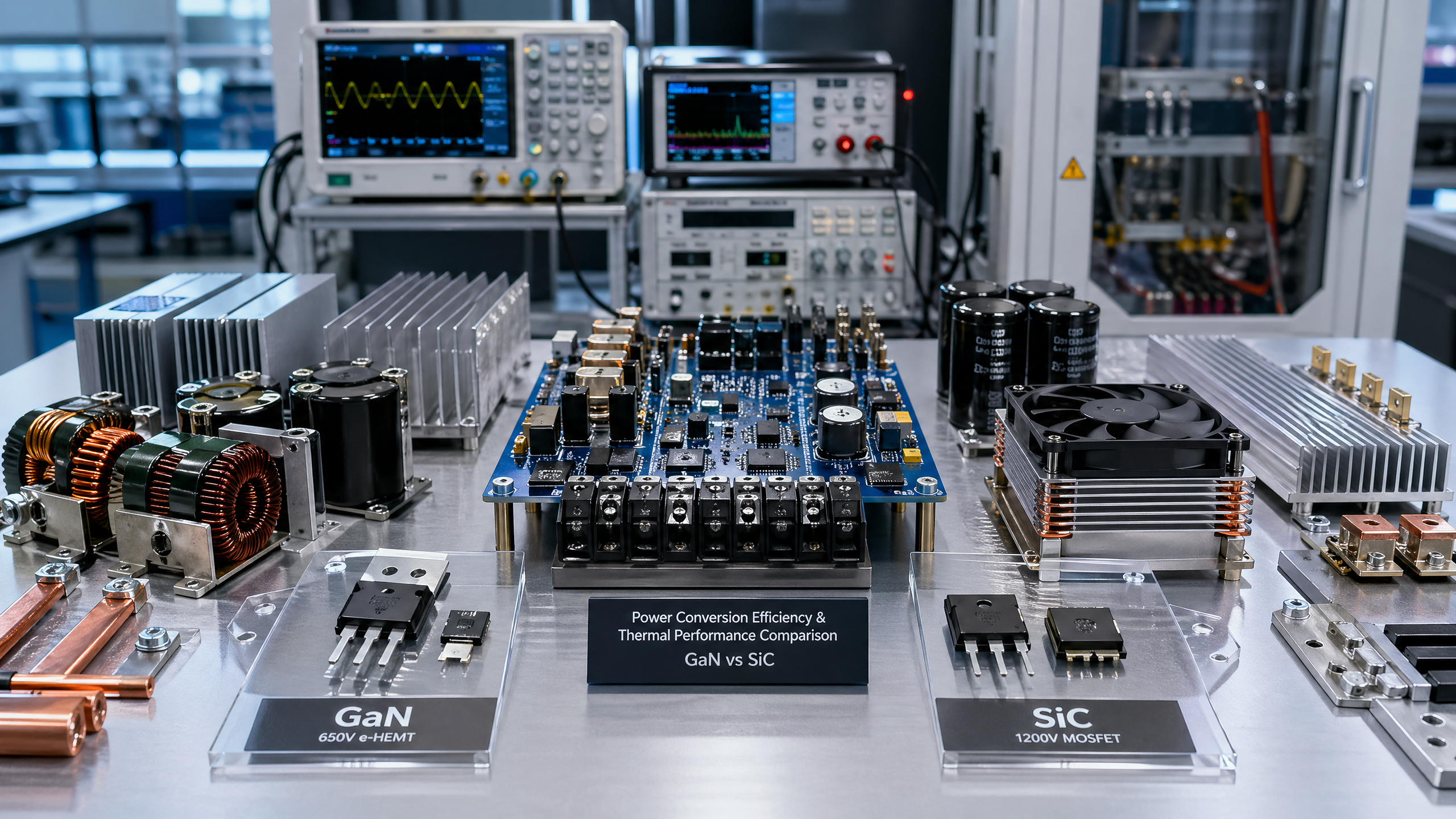
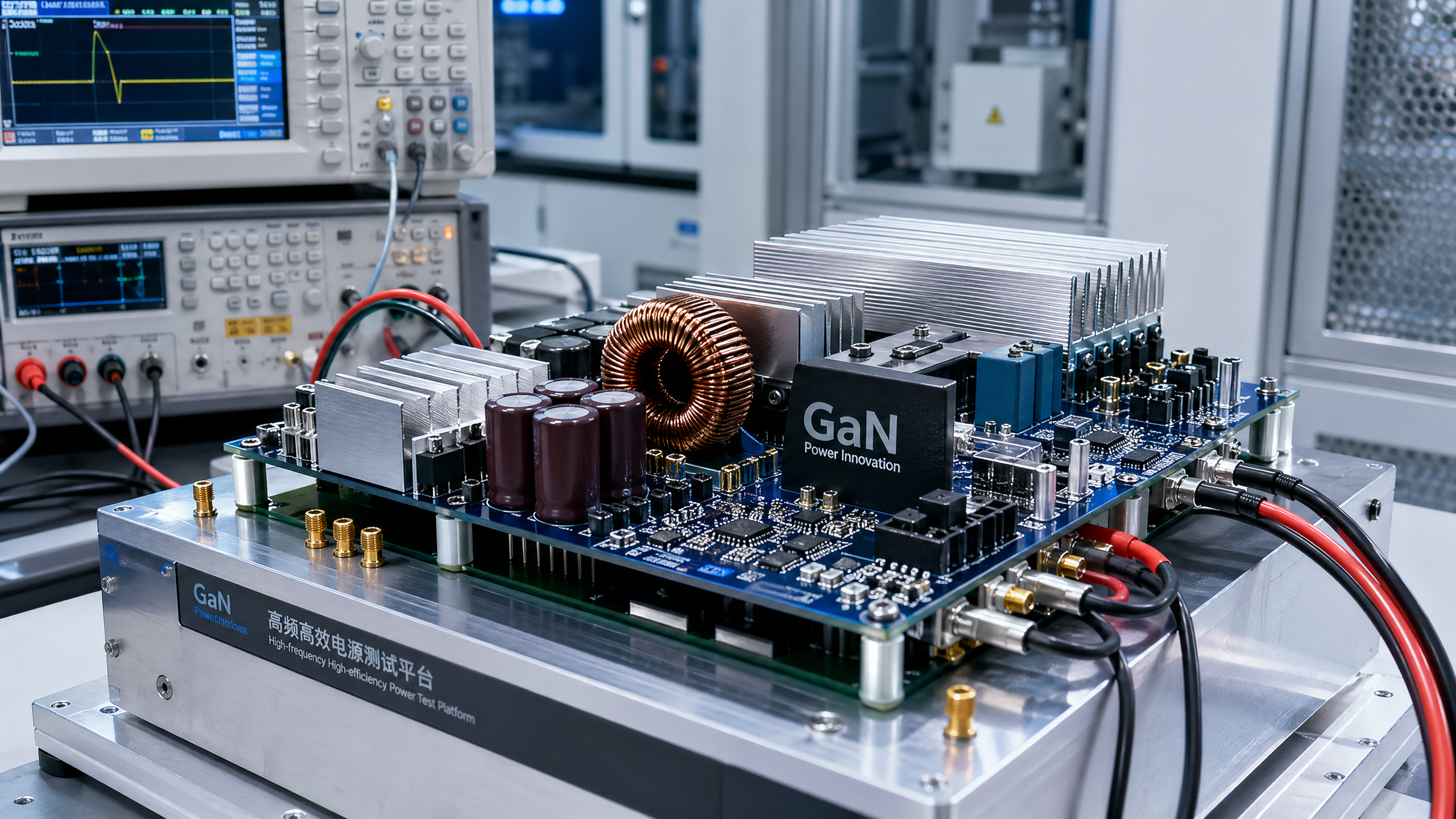
Advanced semiconductor and packaging programs need even more care. In GaN systems, smaller magnetics and higher switching frequency can reduce volume but create local thermal concentration. In SiC systems, higher voltage and rugged operation can support harsher conditions, yet packaging and insulation decisions remain critical. In 2.5D packaging, hotspot control and interface uniformity may drive cooling strategy more than total power alone.
The comparison below helps teams match solution types to realistic B2B scenarios instead of assuming the largest or most complex option is safest.
The most useful takeaway is that “more cooling” is not the same as “better thermal management.” If a passive or forced-air design can meet the required temperature window, reliability target, and operating profile with reasonable margin, moving immediately to a more complex architecture may reduce return on investment rather than improve it.
Scenario-based selection points
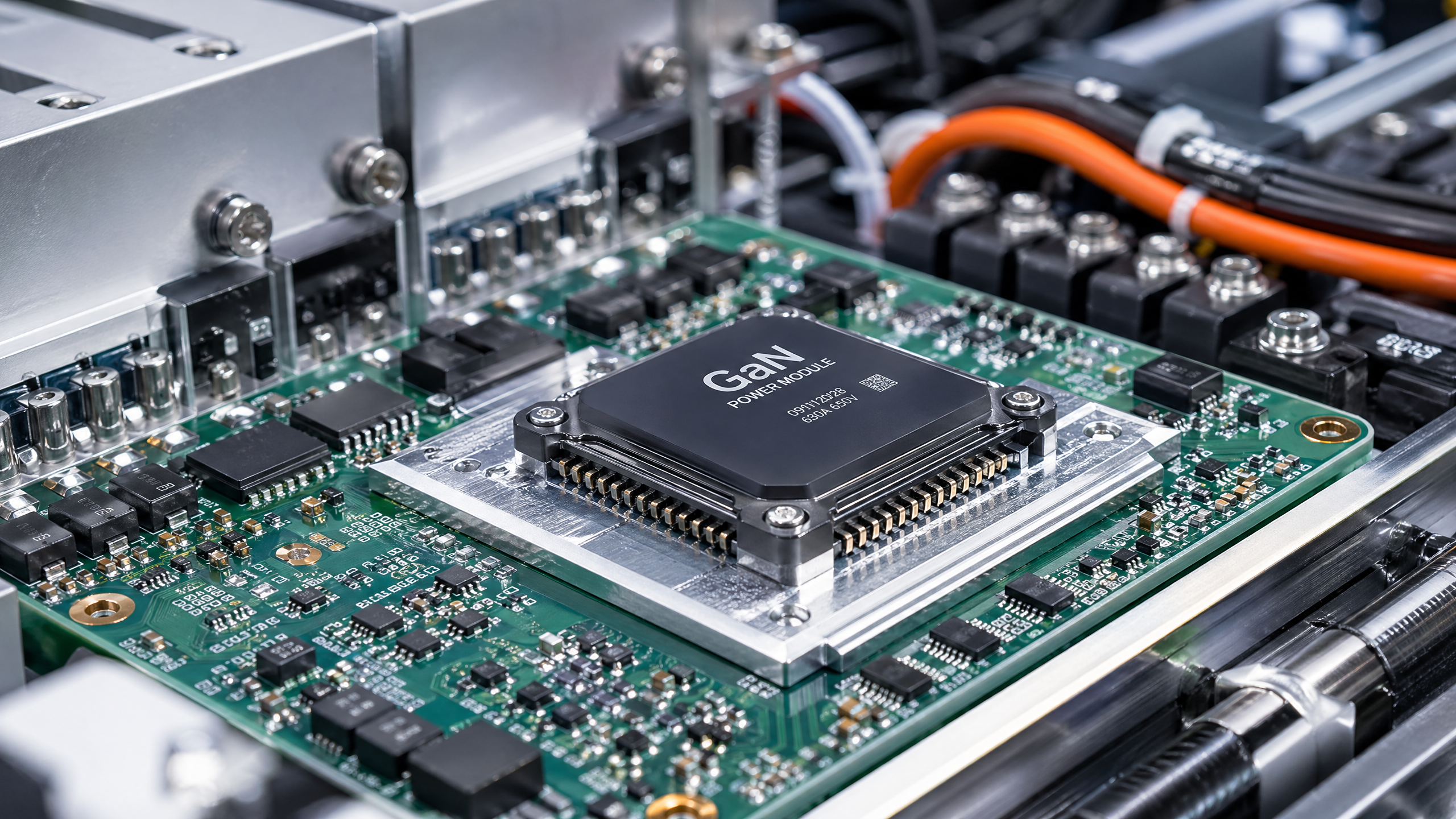
For GaN and SiC power conversion
Focus on switching losses, layout-dependent thermal concentration, interface resistance, and expected load profile. In many programs, the useful design window emerges after comparing 2–3 prototype variants rather than committing early to the largest cooling assembly.
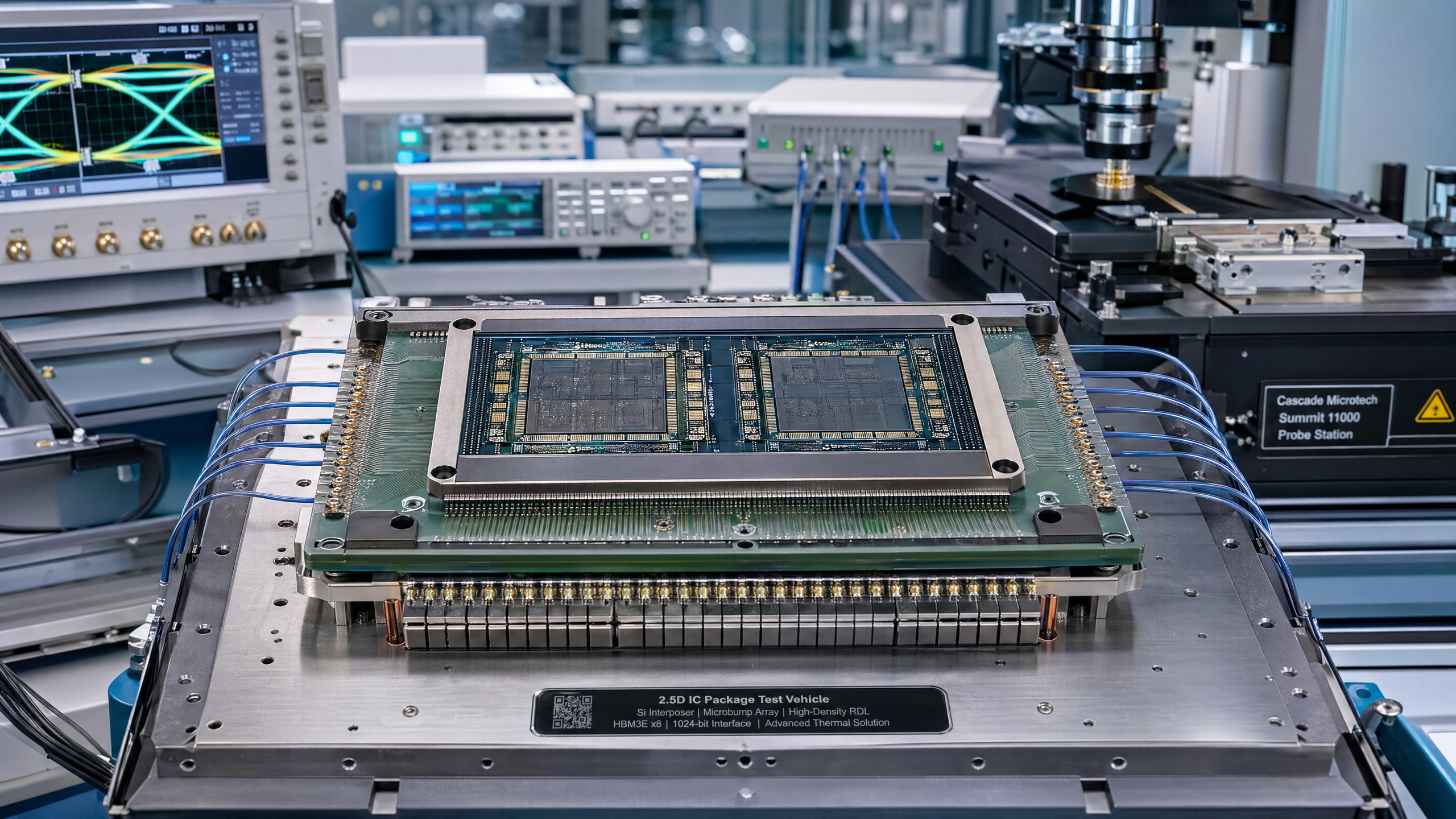
For 2.5D packaging and IC test environments
Prioritize hotspot mapping, thermal uniformity, warpage sensitivity, and repeatable test conditions. Here, stability and metrology compatibility can be more valuable than raw cooling capacity.
For Industrial IoT and sensor infrastructure
Consider enclosure sealing, dust accumulation, temperature drift, and low-maintenance operation. A simpler thermal path often improves field reliability if the environment is dirty, remote, or difficult to service every quarter.
What procurement and quality teams should compare before approval
Technical adequacy alone does not make a thermal management solution procurement-ready. Buyers, quality managers, and project leaders need a comparison model that covers thermal performance, manufacturability, compliance, delivery, and lifecycle support. This is especially important when sourcing for multinational manufacturing, sovereign digital infrastructure, or regulated industrial environments where failures can trigger downtime, requalification, or field service costs.
A strong purchasing review usually includes 5 decision dimensions: verified thermal data, material and assembly consistency, environmental fit, supply continuity, and qualification burden. For example, a supplier may offer an impressive cooling part, but if flatness tolerance, TIM application repeatability, or fan sourcing stability are unclear, the real project risk remains high. That is why sourcing teams should insist on both performance evidence and implementation evidence.
For semiconductor-related applications, quality reviewers should also connect thermal decisions to recognized frameworks. Depending on the product and target market, teams may align evaluation language with SEMI practices, AEC-Q100 relevance for automotive-grade electronics, or ISO/IEC 17025-compatible testing discipline for measurement repeatability. The point is not to overstate certification claims, but to use common technical reference points during approval.
The table below can support RFQ screening, technical-commercial comparison, and internal gate reviews across engineering, sourcing, and management functions.
This comparison model helps different stakeholders speak the same language. Engineers can focus on temperature margin and interface quality, procurement can assess lead times and alternates, and executives can evaluate risk concentration and scaling feasibility. In many cases, the right decision is not the lowest upfront price, but the option that minimizes redesign and qualification repetition over the next 6–18 months.
Common approval mistakes to avoid
- Approving a solution based on peak thermal numbers without checking duty cycle realism.
- Comparing quotations without normalizing test conditions, interface materials, and ambient assumptions.
- Ignoring maintenance cost for fan filters, pump assemblies, or consumable thermal pads.
- Missing supply chain concentration in specialty machined parts or single-source thermal materials.
FAQ: how to avoid thermal management overdesign in real projects
The questions below reflect what information researchers, technical evaluators, sourcing teams, and project owners frequently need before they commit to a thermal management path. They also help expand the decision from pure temperature control to lifecycle, compliance, and deployment readiness.
How much thermal margin is reasonable without becoming overdesign?
There is no universal percentage because the right margin depends on device sensitivity, mission profile, and environmental volatility. A better method is to define margin at 3 levels: temperature limit margin, transient event margin, and manufacturing variation margin. If all three are added independently without coordination, the final design can become unnecessarily large. Aligning those margins in one review usually produces a more balanced result.
When should a team move from air cooling to liquid cooling?
A move to liquid cooling is typically justified when heat density is high, available volume is tight, ambient conditions are elevated, or airflow cannot be maintained reliably. It should not be the default response to a hot prototype. Teams should first test whether better spreading, lower interface resistance, enclosure airflow correction, or revised component placement solves the issue. In many projects, these lower-complexity actions are enough.
What is the usual lead-time impact of custom thermal hardware?
Lead times vary by machining complexity, material type, and supplier capacity, but custom parts often add an extra prototype and approval loop compared with standard solutions. That means project teams should evaluate delivery in phases: sample stage, pilot stage, and production stage. Even when the thermal performance is attractive, long custom part cycles can undermine launch timing or inventory flexibility.
How do GaN vs SiC decisions affect thermal management selection?
GaN and SiC do not automatically demand the same cooling strategy. GaN often supports compact, high-frequency designs with localized hotspots that benefit from careful layout and interface optimization. SiC is frequently selected for higher-voltage and harsher operating conditions, where package robustness, insulation, and system-level thermal reliability remain central. The cooling method should follow measured losses, packaging behavior, and operating environment rather than material hype.
Why work with G-SSI when selecting thermal management solutions
G-SSI supports organizations that need more than a generic cooling recommendation. Its value lies in connecting thermal management to the broader silicon and sensory-infrastructure ecosystem: power semiconductors, advanced packaging and testing, industrial-grade MEMS and smart sensors, high-purity process materials, and fabrication environment control. That integrated perspective helps reduce the risk of solving one thermal issue while creating another reliability, qualification, or sourcing issue elsewhere.
For information researchers and technical assessment teams, G-SSI can help structure comparison criteria around real operating data, packaging constraints, and benchmark methods. For procurement and commercial reviewers, it supports clearer discussions on lead times, alternate paths, cost-risk balance, and supply chain resilience. For project managers and enterprise decision makers, it helps shorten the distance between prototype findings and scalable deployment decisions.
If your team is reviewing GaN power devices, SiC-related thermal paths, 2.5D packaging technology, IC testing equipment, or Industrial IoT thermal reliability, the most effective next step is to confirm the requirement boundary before locking the hardware architecture. A focused consultation can usually clarify the top 3–5 selection questions faster than repeating internal guesswork or comparing vendor proposals that use different assumptions.
Contact G-SSI to discuss parameter confirmation, product and material selection, thermal path benchmarking, validation scope, common lead-time ranges, certification alignment, sample support, and quotation planning. This is particularly useful when you need to balance performance, cost, compliance, and supply continuity without drifting into thermal management overdesign.
- Power Semiconductors
- Smart Sensors
- Thermal Management
- Industrial IoT
- Power Conversion
- Supply Chain Resilience
- Environment Control
- Sovereign Digital Infrastructure
- IC Testing
- 2.5D Packaging
- Digital Infrastructure
- Industrial IoT solutions
- GaN power devices
- Supply Chain Resilience strategies
- IC Testing equipment
- GaN vs SiC
- Power Conversion efficiency
- 2.5D Packaging technology
- Thermal Management solutions
- Specialty Gases
Get weekly intelligence in your inbox.
No noise. No sponsored content. Pure intelligence.
 Apr 28, 2026When do rapid prototyping 3D printing services save real costWhen do rapid prototyping 3D printing services save real cost
 Apr 28, 2026What Can Go Wrong in Fan-out Wafer Level Pkg?What Can Go Wrong in Fan-out Wafer Level Pkg?
 Apr 28, 2026What Makes Optical LiDAR Modules Better for Autonomy?What Makes Optical LiDAR Modules Better for Autonomy?
 Apr 28, 20262026 Market Trends in Supply Chain Resilience for Fabs2026 Market Trends in Supply Chain Resilience for Fabs
![]() Apr 28, 2026How to choose thermal management solutions without overdesignHow to choose thermal management solutions without overdesign
Apr 28, 2026How to choose thermal management solutions without overdesignHow to choose thermal management solutions without overdesign![]() Apr 28, 2026What makes Industrial IoT solutions worth deploying in 2026What makes Industrial IoT solutions worth deploying in 2026
Apr 28, 2026What makes Industrial IoT solutions worth deploying in 2026What makes Industrial IoT solutions worth deploying in 2026 Apr 28, 2026GaN vs SiC: which fits high-efficiency power design betterGaN vs SiC: which fits high-efficiency power design better
![]() Apr 28, 2026How to compare Industrial IoT platform options before rolloutHow to compare Industrial IoT platform options before rollout
Apr 28, 2026How to compare Industrial IoT platform options before rolloutHow to compare Industrial IoT platform options before rollout Apr 28, 2026What to check before sourcing GaN power devices at scaleWhat to check before sourcing GaN power devices at scale
 Apr 28, 2026How to improve power conversion efficiency without redesignHow to improve power conversion efficiency without redesign
![]() Apr 28, 2026Which supply chain resilience strategies reduce sourcing riskWhich supply chain resilience strategies reduce sourcing risk
Apr 28, 2026Which supply chain resilience strategies reduce sourcing riskWhich supply chain resilience strategies reduce sourcing risk Apr 28, 2026How to evaluate IC testing equipment for yield and reliabilityHow to evaluate IC testing equipment for yield and reliability
 Apr 28, 20262.5D packaging technology: when is it worth the added cost2.5D packaging technology: when is it worth the added cost
 Apr 28, 2026How to Choose 1200V+ SiC MOSFETs for Fast SwitchingHow to Choose 1200V+ SiC MOSFETs for Fast Switching
 Apr 28, 2026SiC MOSFET vs IGBT: Which Cuts Power Loss Better?SiC MOSFET vs IGBT: Which Cuts Power Loss Better?
 Apr 28, 2026What to Check Before Buying GaN Power ModulesWhat to Check Before Buying GaN Power Modules
 Apr 28, 2026Are GaN Power Modules Worth the Higher Upfront Cost?Are GaN Power Modules Worth the Higher Upfront Cost?
 Apr 28, 2026When Do High-Power IGBT Stacks Still Make Sense?When Do High-Power IGBT Stacks Still Make Sense?
 Apr 28, 20262.5D Packaging or 3D Chiplets: Which Fits Better?2.5D Packaging or 3D Chiplets: Which Fits Better?
 Apr 28, 2026What Drives Cost in 2.5D Chiplet Solutions?What Drives Cost in 2.5D Chiplet Solutions?
 Apr 28, 2026How to Evaluate SiP for Compact Autonomous SystemsHow to Evaluate SiP for Compact Autonomous Systems
 Apr 28, 2026SiP vs Discrete Design: What Are You Trading Off?SiP vs Discrete Design: What Are You Trading Off?
 Apr 28, 2026Why Fan-out Wafer Level Packaging Gains in 2026Why Fan-out Wafer Level Packaging Gains in 2026
 Apr 28, 2026How MEMS Sensors Improve Industrial IoT Data FidelityHow MEMS Sensors Improve Industrial IoT Data Fidelity
 Apr 28, 2026Choosing Industrial MEMS Accelerometers for Harsh UseChoosing Industrial MEMS Accelerometers for Harsh Use
 Apr 28, 2026Which Gas Sensors Work Best for Environment Control?Which Gas Sensors Work Best for Environment Control?
 Apr 28, 2026How to Compare High-Precision Gas Sensor StabilityHow to Compare High-Precision Gas Sensor Stability