

Industrial IoT projects often stall at integration, not hardware
Industrial IoT projects do not usually break down because the hardware is inadequate. In most cases, they stall because integration work is underestimated: power devices do not align with control architectures, smart sensors produce data that operations teams cannot trust, testing workflows are disconnected from deployment realities, and digital infrastructure is not prepared to support reliable autonomous systems at scale.
For technical evaluators, project owners, procurement teams, and enterprise decision-makers, the practical takeaway is clear: successful Industrial IoT deployment depends less on buying more devices and more on designing an integration model that connects hardware performance, data fidelity, environment control, system validation, cybersecurity, and operational ownership from day one. That is especially true in projects involving GaN power systems, SiC MOSFET platforms, MEMS sensors, IC testing environments, and sovereign-grade industrial infrastructure.
Why Industrial IoT projects stall after pilots, even when the hardware performs well
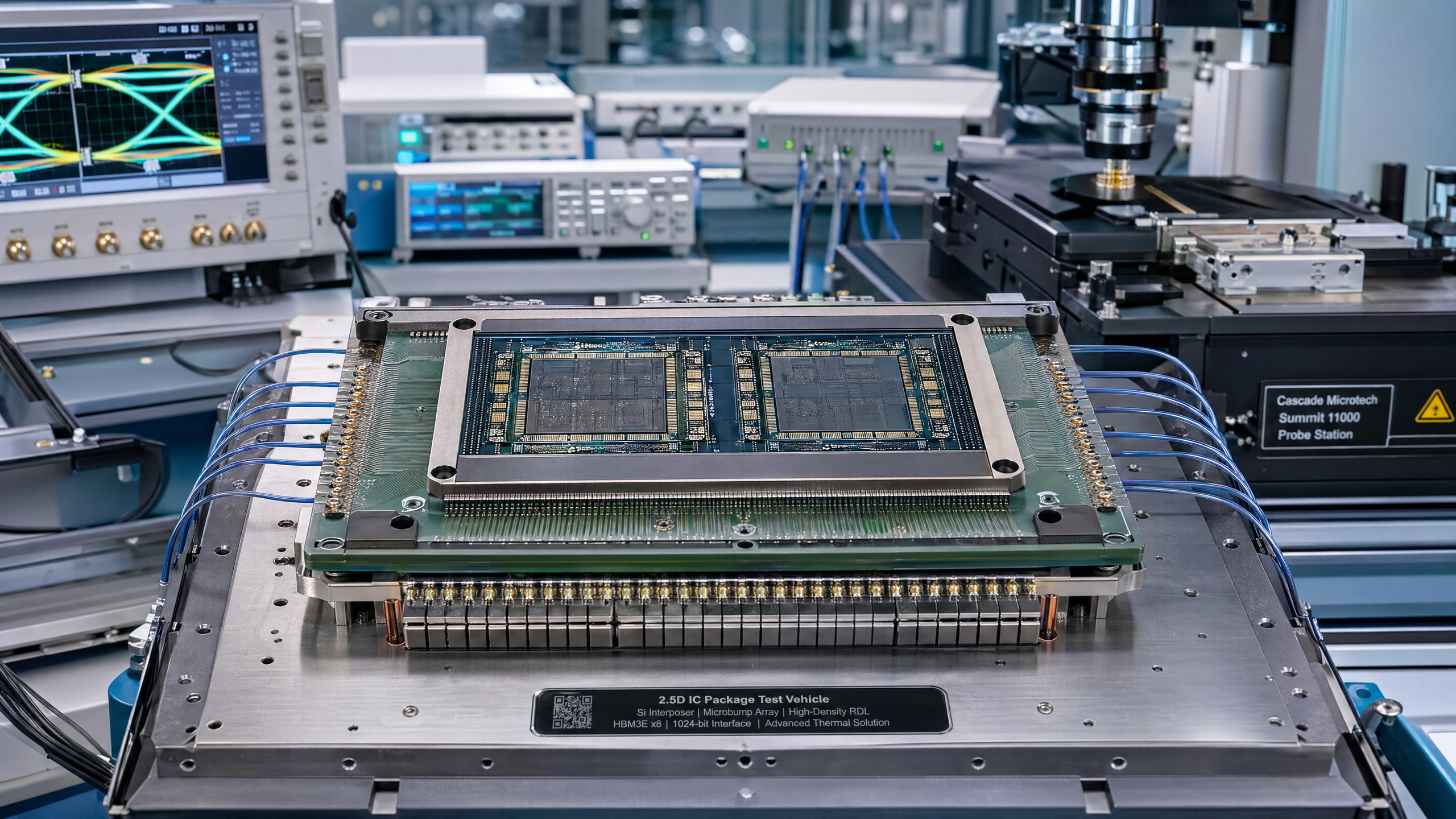
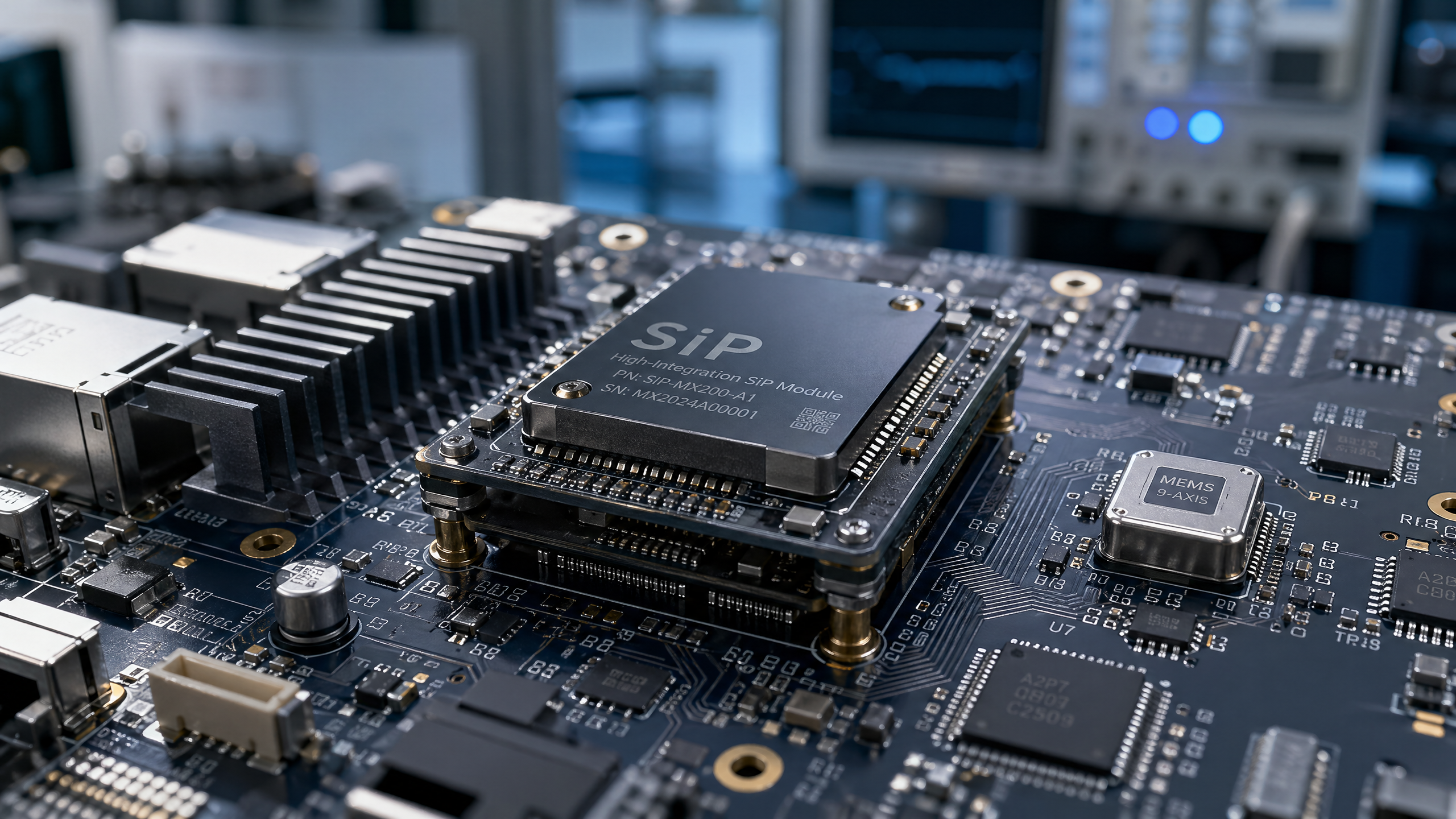
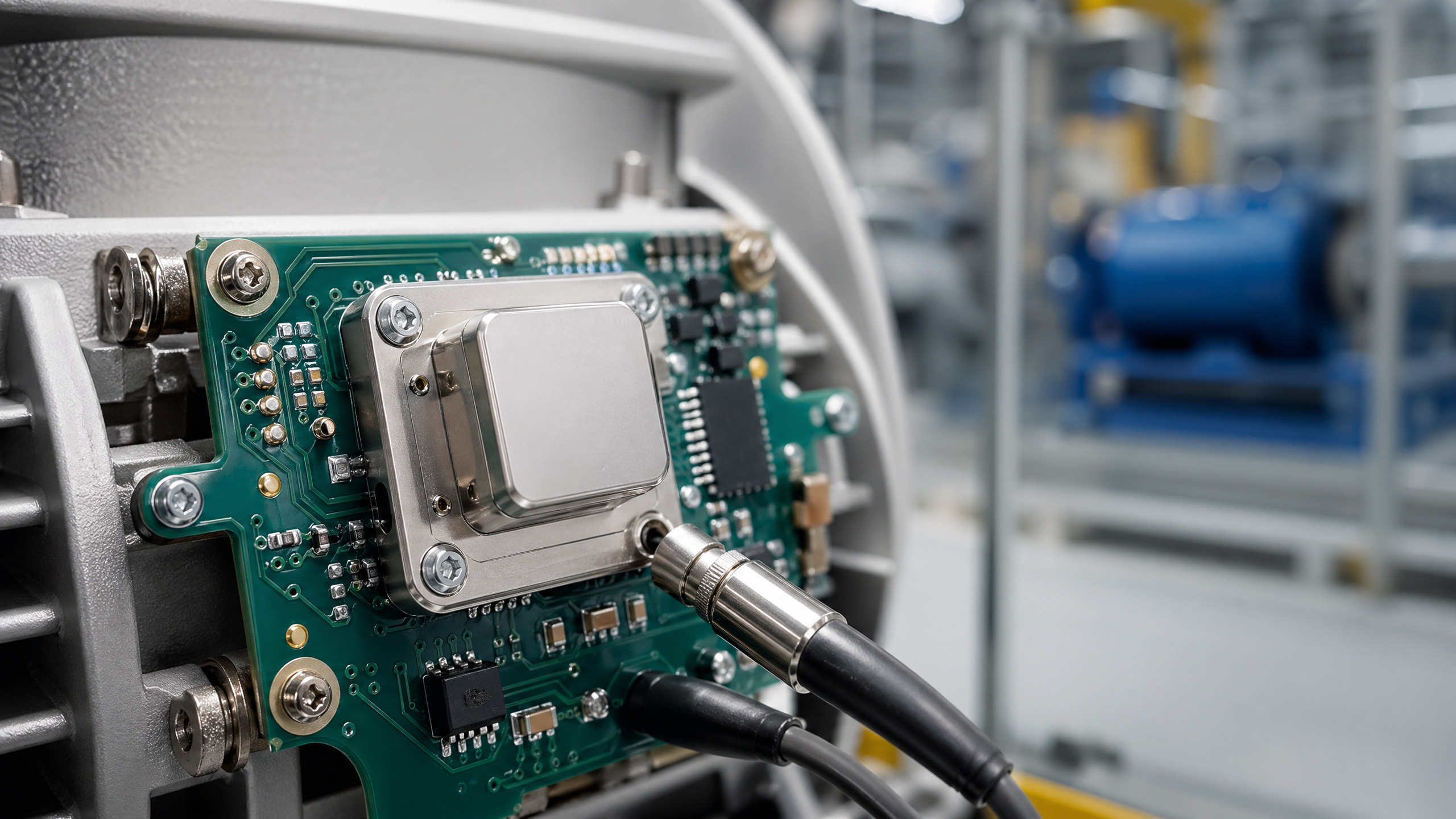
[[IMG:img_01]]Many Industrial IoT initiatives look promising during pilot stages. Devices function, dashboards light up, and early data flows appear convincing. Yet once the project moves toward plant-wide deployment, multi-site rollout, or autonomous decision-making, friction appears quickly. The root cause is often not component quality, but integration complexity across the full stack.
The most common failure pattern is this: a project team validates devices in isolation, but does not fully define how those devices will interact with power systems, edge controllers, industrial networks, testing procedures, environment control constraints, ERP or MES platforms, maintenance processes, and security policies. As a result, the pilot proves that the hardware can work, but not that the system can operate reliably in production.
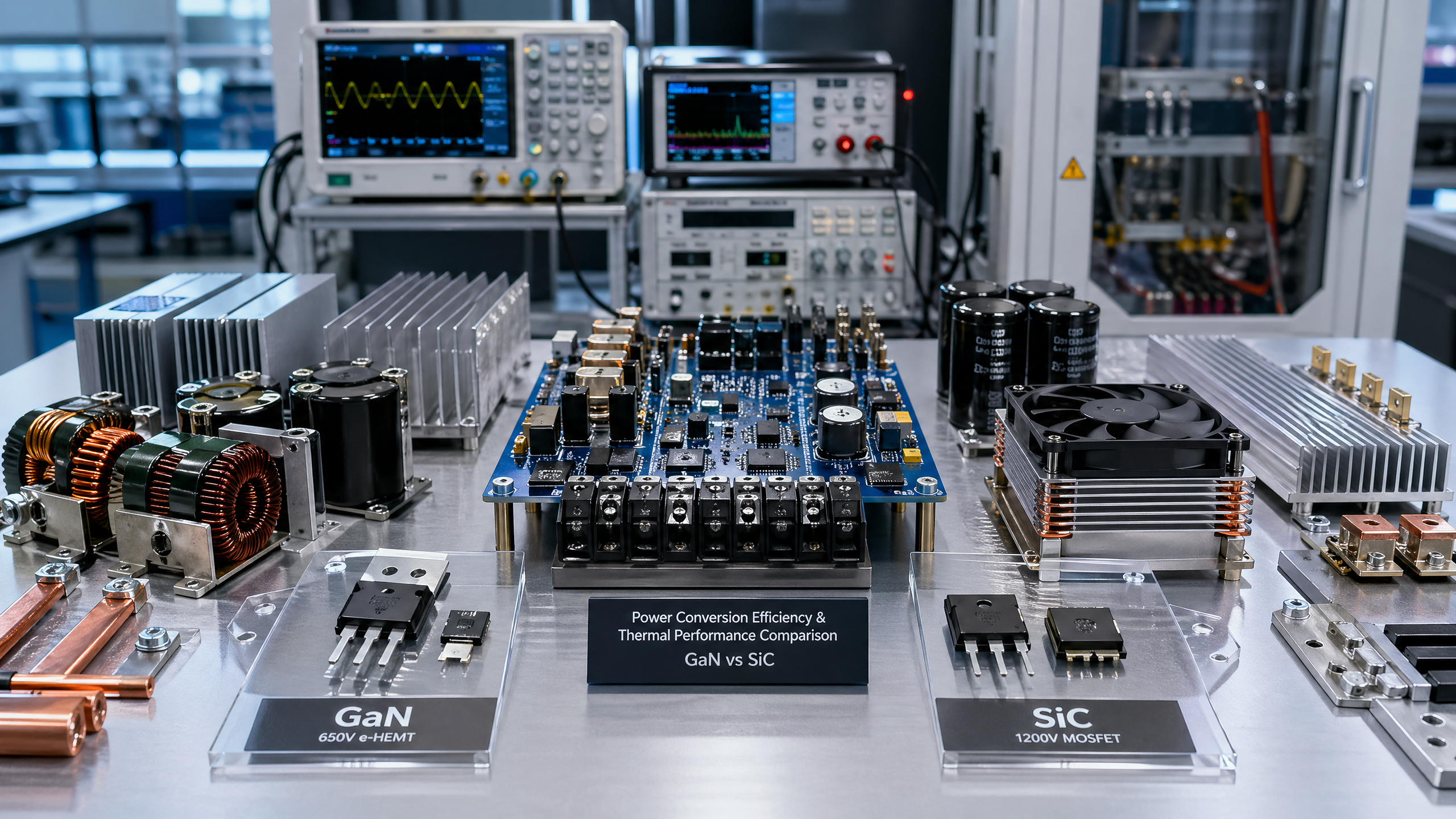
In advanced industrial environments, this problem becomes more severe because the tolerance for error is low. A smart sensor that is accurate in a laboratory may become unreliable if thermal drift, EMI exposure, contamination, vibration, calibration intervals, or packaging limitations are not addressed. A high-performance SiC MOSFET or GaN subsystem may offer excellent efficiency, but system-level gains can be lost if gate control, thermal design, switching noise, and monitoring interfaces are not integrated properly. In other words, hardware excellence does not automatically create operational excellence.
What decision-makers and project teams actually need to evaluate before scaling
Readers searching for this topic usually want to answer one practical question: how can we tell whether an Industrial IoT project is genuinely scalable, or just a successful pilot with hidden integration risk?
The answer lies in evaluating five areas together rather than separately.
1. System interoperability
It is not enough to ask whether devices support standard protocols. Teams need to verify whether sensor outputs, edge gateways, PLCs, power electronics, testing stations, and enterprise software can exchange structured, time-synchronized, decision-ready data. Protocol support without semantic alignment often creates expensive middleware dependence later.
2. Data fidelity under real operating conditions
Industrial IoT systems only create value if the data can be trusted. For MEMS sensors, smart sensors, and condition monitoring devices, teams should evaluate drift, noise, temperature sensitivity, response latency, calibration traceability, and error behavior under actual field conditions. If data fidelity is weak, analytics, predictive maintenance, and autonomy will all be compromised.
3. Power and thermal integration
In modern industrial architecture, power systems are not just background infrastructure. GaN and SiC technologies can improve efficiency, switching speed, and compactness, but they also introduce integration demands around thermal management, EMI control, packaging, insulation coordination, and long-term reliability. If these issues are treated as downstream engineering details, deployment delays become likely.
4. Validation and test continuity
A major reason projects stall is the disconnect between component testing, subsystem verification, and operational acceptance. IC testing, sensor validation, and power module qualification must map directly to field performance expectations. Teams should ask whether test methods reflect real deployment stressors and whether acceptance criteria are shared across engineering, quality, operations, and procurement.
5. Ownership across functions
Integration fails when everyone participates but no one owns the cross-functional result. Industrial IoT is not only an automation project or an IT project. It spans operations, controls, procurement, quality, maintenance, cybersecurity, and executive oversight. Without a clear governance model, bottlenecks emerge during handoff stages rather than during design reviews.
Where integration risk is highest in advanced Industrial IoT environments
Not all Industrial IoT systems carry the same risk profile. In advanced semiconductor, power conversion, sensing, and autonomous infrastructure applications, integration risk is concentrated in a few critical interfaces.
Sensor-to-decision interfaces
Smart sensors and industrial-grade MEMS devices often generate large volumes of high-frequency data, but value depends on whether the data can be normalized, contextualized, and acted upon. If timestamps are inconsistent, calibration histories are incomplete, or edge filtering rules are poorly defined, the system may create more ambiguity than insight.
Power-to-control interfaces
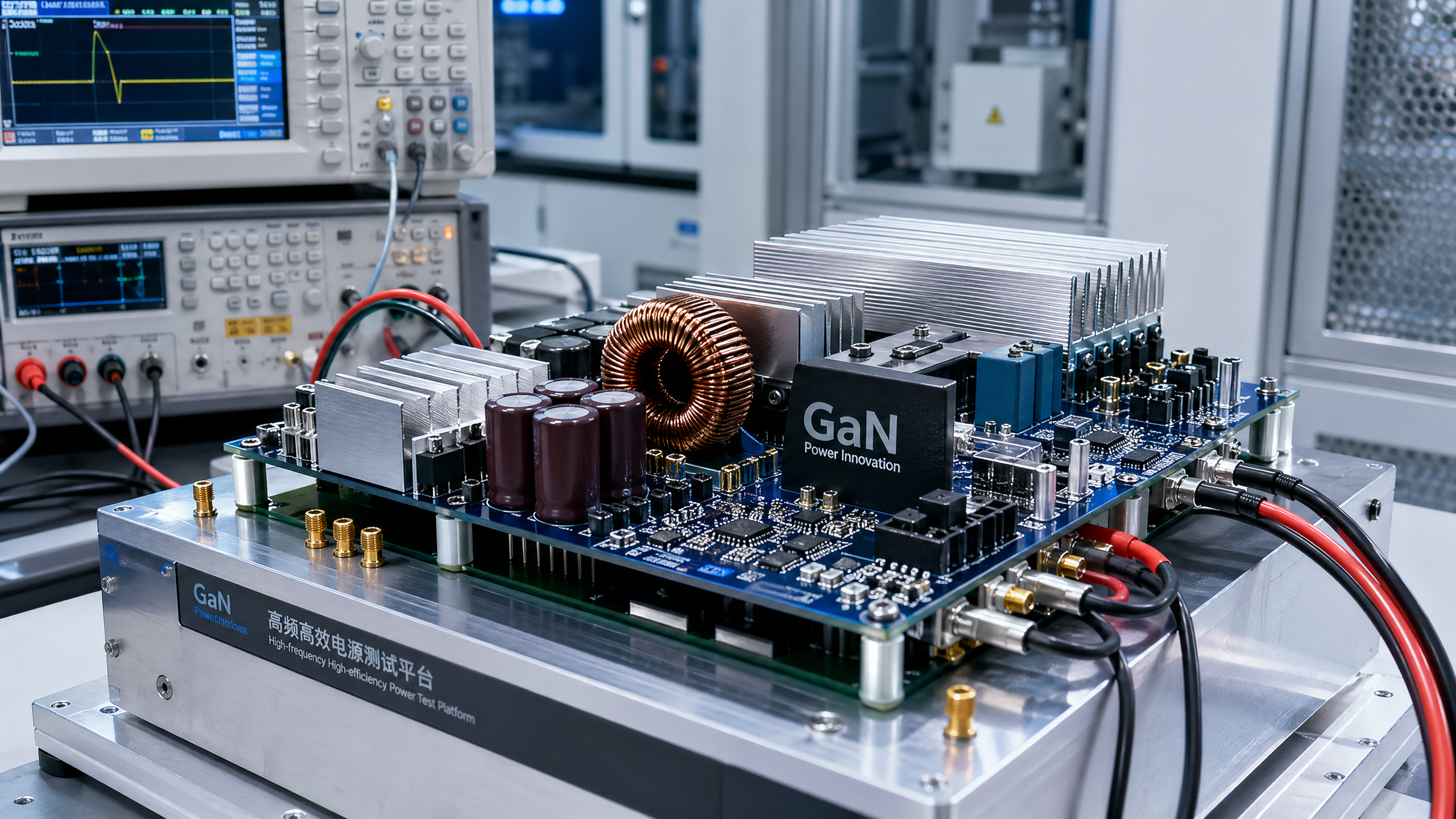
When projects involve SiC MOSFETs, GaN devices, motor drives, power conversion modules, or high-efficiency switching systems, teams must manage interactions between electrical performance and control system stability. Fast switching behavior can expose weaknesses in layout, sensing, shielding, or firmware logic. The issue is not whether advanced power semiconductors work, but whether the surrounding architecture is mature enough to use them reliably.
Testing-to-operations interfaces
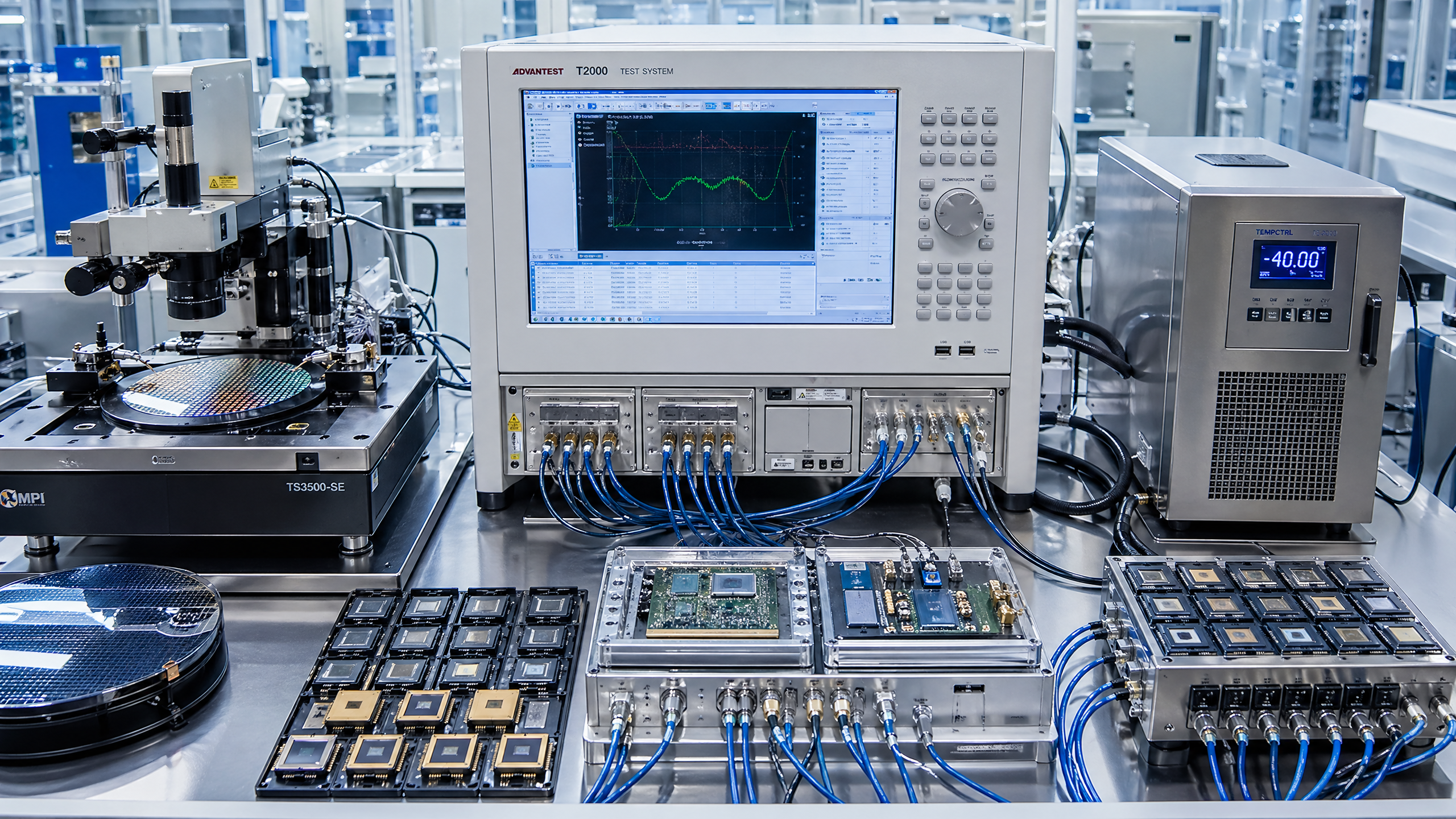
A recurring problem in industrial deployment is that lab testing proves compliance, but not operational robustness. This is especially relevant in IC packaging, advanced testing, environmental control systems, and sensor-dependent automation. Qualification plans should include thermal cycling, contamination sensitivity, field maintenance realities, and abnormal event behavior rather than only nominal condition verification.
Infrastructure-to-scale interfaces
Digital infrastructure limitations often remain invisible in early stages. Once data volumes grow and sites multiply, bandwidth, edge compute constraints, historian design, cybersecurity controls, and storage architecture can become bottlenecks. Integration must therefore be planned not only for current throughput, but for future autonomy and resilience requirements.
How to structure an Industrial IoT project so integration does not become the bottleneck
The most effective Industrial IoT teams do not begin with a device list. They begin with an operating model. That means defining what business outcome matters, what decisions the system must support, what reliability threshold is required, and which technical dependencies must be validated before rollout.
A practical approach includes the following steps.
Start with the decision chain, not the sensor catalog
Before choosing devices, define which operational decisions the system must improve. For example, is the goal predictive maintenance, closed-loop process control, energy optimization, quality traceability, or autonomous fault response? This forces the project to focus on actionable data pathways rather than hardware accumulation.
Map every interface early
Create an interface map covering physical installation, power delivery, communications, data models, software integration, testing responsibilities, maintenance ownership, and cybersecurity boundaries. Projects usually stall where assumptions between teams remain undocumented.
Use staged validation, not one-time approval
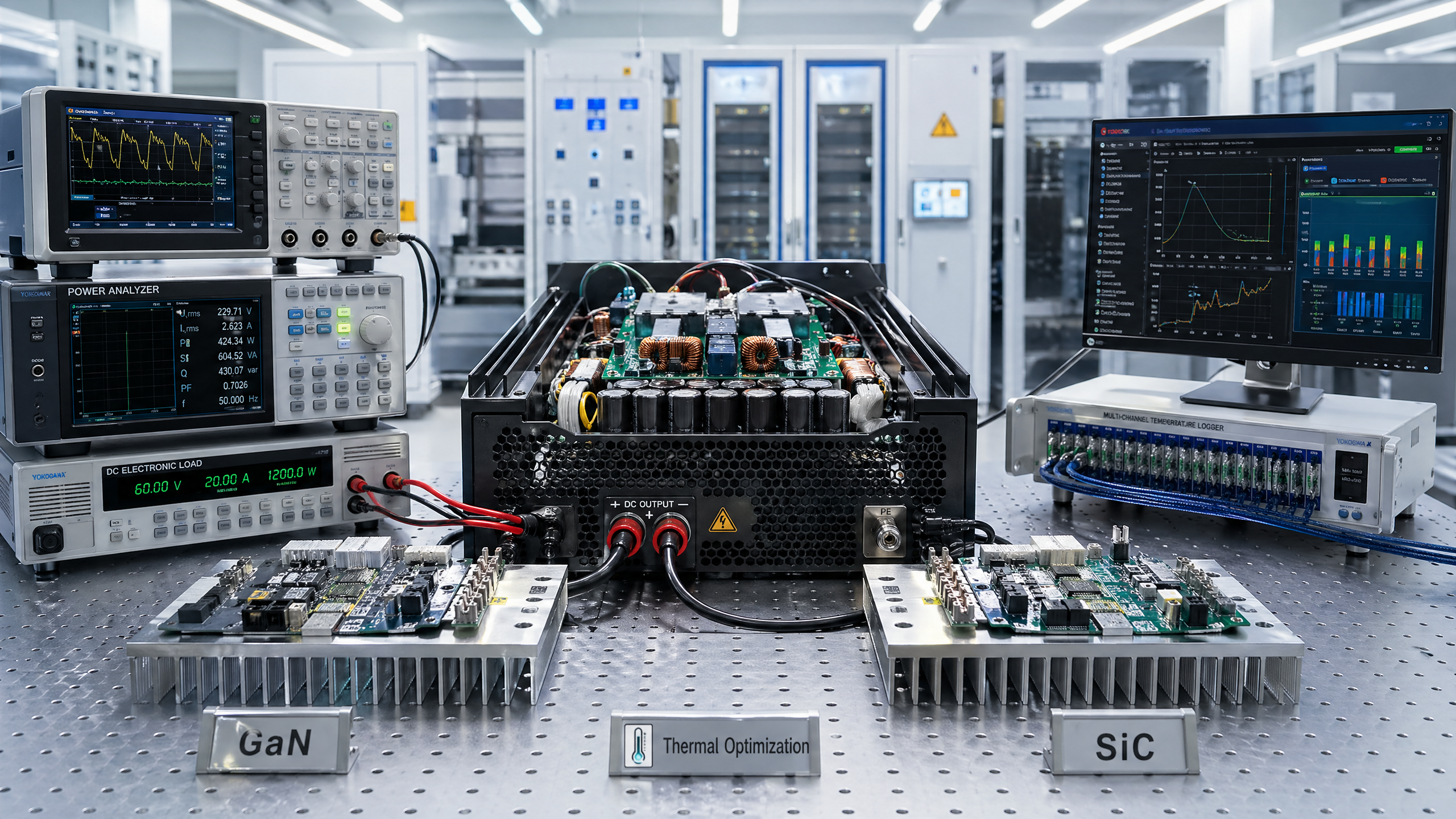
Validation should progress from component behavior to subsystem behavior to operational readiness. A sensor passing specification is not the same as a sensor producing reliable maintenance decisions in a noisy industrial environment. A power module hitting efficiency targets is not the same as a stable long-duration field deployment.
Build around reliability and environment control
Especially in semiconductor and sensory infrastructure contexts, environment control is not optional support work. Cleanliness, humidity, thermal consistency, gas purity, contamination control, and EMI management can all affect data fidelity and hardware life. Reliability engineering must be integrated into project design, not added later as quality assurance paperwork.
Assign a single integration owner
Cross-functional work needs one accountable leader with authority to resolve conflicts across engineering, operations, IT, quality, and suppliers. Without this, integration tasks are often delayed because each function optimizes for its own success criteria instead of total system readiness.
What buyers, evaluators, and executives should ask suppliers before committing
For procurement teams, commercial evaluators, distributors, and enterprise leaders, one of the biggest mistakes is selecting Industrial IoT hardware based mainly on specifications and unit price. A better purchasing decision comes from testing whether the supplier can support integration maturity.
Useful questions include:
- How does the product perform under real thermal, vibration, contamination, and EMI conditions?
- What interoperability has been proven with common industrial control and data platforms?
- How is calibration traceability maintained over time?
- What field reliability data is available, and under what operating assumptions?
- How are firmware updates, cybersecurity patches, and lifecycle management handled?
- What validation support is available for power systems, sensors, testing flows, and data infrastructure integration?
- Which standards or benchmarks support claims around safety, quality, and measurement confidence?
For sectors tied to advanced manufacturing and sovereign digital infrastructure, these questions are particularly important. International alignment with frameworks such as SEMI, AEC-Q100, ISO/IEC 17025, and related reliability or test standards can provide stronger confidence that the deployment will hold up beyond the pilot phase.
The real business value of solving integration early
When integration is managed proactively, the benefits go well beyond avoiding technical delays. Teams gain faster time to scale, better asset utilization, more reliable quality control, stronger supply chain resilience, lower maintenance uncertainty, and a clearer path toward autonomous operations.
For executives, the strategic value is that integration discipline reduces hidden capital waste. It helps prevent stranded pilots, repeated redesign cycles, fragmented vendor ecosystems, and underused infrastructure investments. For operations teams, it means fewer surprises during commissioning and fewer trust issues with system data. For quality and safety leaders, it supports traceability, repeatability, and better control over failure modes.
In complex industrial settings, the return on investment from IoT is rarely unlocked by adding more endpoints. It is unlocked by ensuring that sensing, power, testing, and digital systems work as one governed operational architecture.
Conclusion: Industrial IoT success depends on integration readiness, not device count
The headline is accurate: Industrial IoT projects often stall at integration, not hardware. That does not mean hardware is unimportant. It means even high-performance components such as GaN power devices, SiC MOSFETs, MEMS sensors, smart sensing platforms, and advanced test assets only create value when they are integrated into a trustworthy, validated, and scalable system.
If your organization is evaluating Industrial IoT for autonomous systems, energy efficiency, precision monitoring, or resilient digital infrastructure, the right question is not simply which hardware to buy. The better question is whether your architecture, validation strategy, environment control discipline, and cross-functional execution model are strong enough to turn hardware capability into operational results.
Projects that answer that question early are the ones most likely to move from pilot success to industrial-scale impact.
Get weekly intelligence in your inbox.
No noise. No sponsored content. Pure intelligence.
 Apr 28, 2026When do rapid prototyping 3D printing services save real costWhen do rapid prototyping 3D printing services save real cost
 Apr 28, 2026What Can Go Wrong in Fan-out Wafer Level Pkg?What Can Go Wrong in Fan-out Wafer Level Pkg?
 Apr 28, 2026What Makes Optical LiDAR Modules Better for Autonomy?What Makes Optical LiDAR Modules Better for Autonomy?
 Apr 28, 20262026 Market Trends in Supply Chain Resilience for Fabs2026 Market Trends in Supply Chain Resilience for Fabs
![]() Apr 28, 2026How to choose thermal management solutions without overdesignHow to choose thermal management solutions without overdesign
Apr 28, 2026How to choose thermal management solutions without overdesignHow to choose thermal management solutions without overdesign![]() Apr 28, 2026What makes Industrial IoT solutions worth deploying in 2026What makes Industrial IoT solutions worth deploying in 2026
Apr 28, 2026What makes Industrial IoT solutions worth deploying in 2026What makes Industrial IoT solutions worth deploying in 2026 Apr 28, 2026GaN vs SiC: which fits high-efficiency power design betterGaN vs SiC: which fits high-efficiency power design better
![]() Apr 28, 2026How to compare Industrial IoT platform options before rolloutHow to compare Industrial IoT platform options before rollout
Apr 28, 2026How to compare Industrial IoT platform options before rolloutHow to compare Industrial IoT platform options before rollout Apr 28, 2026What to check before sourcing GaN power devices at scaleWhat to check before sourcing GaN power devices at scale
 Apr 28, 2026How to improve power conversion efficiency without redesignHow to improve power conversion efficiency without redesign
![]() Apr 28, 2026Which supply chain resilience strategies reduce sourcing riskWhich supply chain resilience strategies reduce sourcing risk
Apr 28, 2026Which supply chain resilience strategies reduce sourcing riskWhich supply chain resilience strategies reduce sourcing risk Apr 28, 2026How to evaluate IC testing equipment for yield and reliabilityHow to evaluate IC testing equipment for yield and reliability
 Apr 28, 20262.5D packaging technology: when is it worth the added cost2.5D packaging technology: when is it worth the added cost
 Apr 28, 2026How to Choose 1200V+ SiC MOSFETs for Fast SwitchingHow to Choose 1200V+ SiC MOSFETs for Fast Switching
 Apr 28, 2026SiC MOSFET vs IGBT: Which Cuts Power Loss Better?SiC MOSFET vs IGBT: Which Cuts Power Loss Better?
 Apr 28, 2026What to Check Before Buying GaN Power ModulesWhat to Check Before Buying GaN Power Modules
 Apr 28, 2026Are GaN Power Modules Worth the Higher Upfront Cost?Are GaN Power Modules Worth the Higher Upfront Cost?
 Apr 28, 2026When Do High-Power IGBT Stacks Still Make Sense?When Do High-Power IGBT Stacks Still Make Sense?
 Apr 28, 20262.5D Packaging or 3D Chiplets: Which Fits Better?2.5D Packaging or 3D Chiplets: Which Fits Better?
 Apr 28, 2026What Drives Cost in 2.5D Chiplet Solutions?What Drives Cost in 2.5D Chiplet Solutions?
 Apr 28, 2026How to Evaluate SiP for Compact Autonomous SystemsHow to Evaluate SiP for Compact Autonomous Systems
 Apr 28, 2026SiP vs Discrete Design: What Are You Trading Off?SiP vs Discrete Design: What Are You Trading Off?
 Apr 28, 2026Why Fan-out Wafer Level Packaging Gains in 2026Why Fan-out Wafer Level Packaging Gains in 2026
 Apr 28, 2026How MEMS Sensors Improve Industrial IoT Data FidelityHow MEMS Sensors Improve Industrial IoT Data Fidelity
 Apr 28, 2026Choosing Industrial MEMS Accelerometers for Harsh UseChoosing Industrial MEMS Accelerometers for Harsh Use
 Apr 28, 2026Which Gas Sensors Work Best for Environment Control?Which Gas Sensors Work Best for Environment Control?
 Apr 28, 2026How to Compare High-Precision Gas Sensor StabilityHow to Compare High-Precision Gas Sensor Stability